4 Quick and Easy Ways Recruiters Can Generate More Leads

4 Quick and Easy Ways Recruiters Can Generate More Leads

4 Quick and Easy Ways Recruiters Can Generate More Leads

To be successful in the recruitment industry, you must have a steady source of leads. This will make it easier for you to find job seekers you can add to your talent pool and employers who require your services. However, generating new leads is not exactly a walk in the park. According to studies, only one out of 100 people who visit your site is likely to leave you their contact details or enlist your services.

You might be thinking, “Why don’t I just drive more traffic to my website? With more web visitors, I have more chances to obtain leads.” While this is a valid strategy, we believe it is not that effective. It is because driving more traffic to your site is usually more difficult, expensive, and time-consuming.

So how can you generate more leads for your recruitment firm?


How to Generate More Leads

You might be surprised to find out that simply changing what’s currently on your website can help you gain more leads for your recruitment business. Modifying the layout and message of your website can give your lead generation efforts a considerable boost. When done correctly, this strategy can even double the leads you’re currently receiving in 10 days or less.

Here are some pointers to help you out: 


1.  Add more credibility triggers to your website

Everything on your website should be working hard to help you obtain leads. That being said, all of your web pages, the About Us page included, should be able to enhance your credibility.

When it comes to connecting employers to qualified job seekers, you know that your knowledge and expertise are second to none. Many of your former clients can attest to the quality of your services. However, first-time visitors to your website aren’t aware of this yet. They won’t trust your company and enlist your assistance right away until you show them proof of your capabilities.


  • Take advantage of customer testimonials

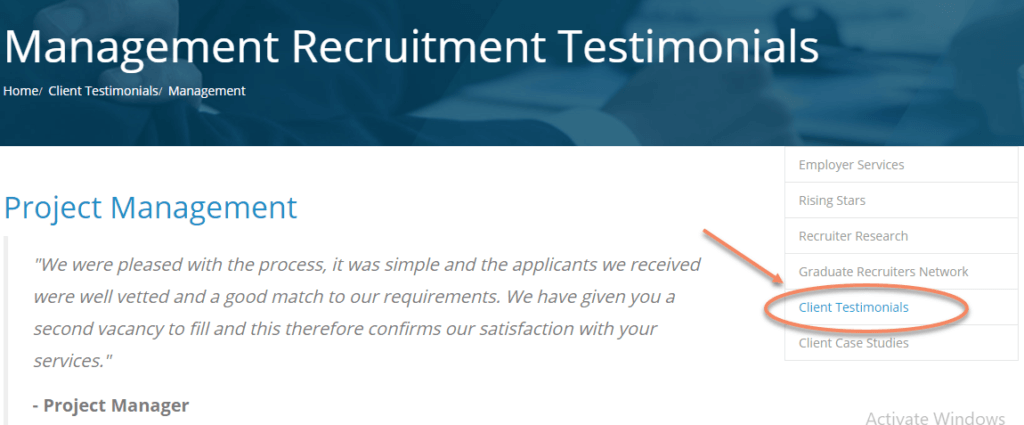
    testimonials image

The first step to gaining more credibility is knowing the benefits of the services that you are offering. Then, highlight these benefits in a more accessible manner. A customer testimonial is an excellent example of this.

Customer testimonials and recommendations are among the most effective forms of marketing. They are more credible, too, since satisfied customers are the ones speaking about your business on your behalf. Because customer testimonials serve as “social proof” that customers can count on you, candidates and employers would be more inclined to give you their contact details or sign up for your service when they see them on your website.

A quick reminder, though. Don’t just post customer testimonials on your testimonials page. Because every part of your website is essential and should serve a purpose, you should place these credibility triggers in every part of your website. This way, your visitors can see them no matter which part of your site they are viewing.


  • Use company logos

    company logo image

The logo of your former client is another credibility trigger that you can use to build trust. While you might be tempted to use only the logos of famous companies and organisations, you should also include small and not-so-popular firms. Because there is strength in numbers, this will show many companies and organisations trust you. As a result, more employers are likely to enlist your recruitment services.


  • Give your website a makeover

Another way to boost your credibility is to improve the overall look of your website. While we are often told that we mustn’t judge a book by its cover, we can’t help but be attracted to visually appealing things. Therefore, if your target audience sees that your site looks outdated and poorly designed, they might think twice about asking you for help.

Improving the appearance of your site enables you to make an excellent first impression. More importantly, it will help enhance the opinion people have about your business, giving them the idea that you’re a trustworthy and reliable source of top-notch recruitment services.


2. Make your offer more tempting

Make your website offer more tempting.To make it more tempting, you should consider the first step in your sales process. Think about how you can provide that on your website and present it in a way that’s interesting and irresistible to your target audience.

For instance, as part of your sales process, let’s say you’re offering free consultation services to both employers and job seekers who visit your office to “butter them up.” You can use the same strategy to convince web visitors to enlist your services. Instead of asking them to sign up right away, what you can do is offer them tailored recruitment or job hunting advice in exchange for their contact information.


3.  Address your audience’s reluctance to contact you
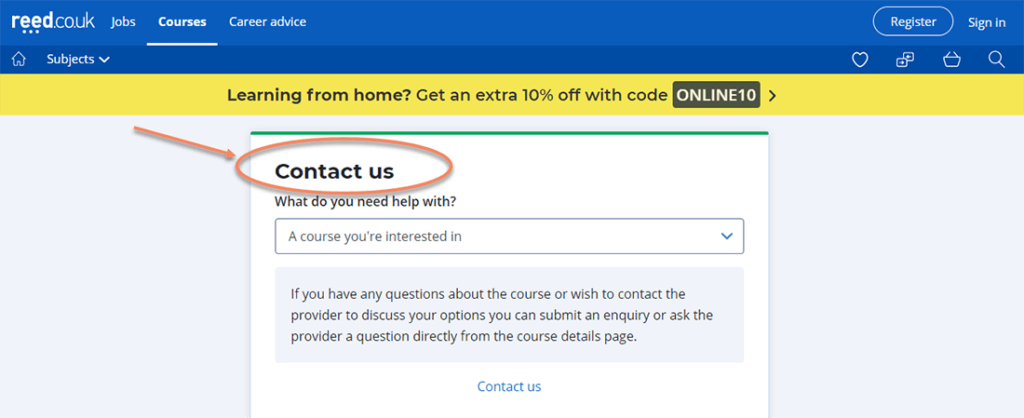
contact us image

Most people these days are reluctant to get in touch with businesses unless they have substantial evidence that the latter is the one they need. This is why merely asking web visitors to contact you won’t help you acquire more leads. You have to assure them first that you are what they need before you can ask them to sign up for your services.

To encourage more enquiries, you should address any reservations your prospects may have about contacting you. You can do this by offering all the useful information about your business online. This includes your location, the industries you specialise in, and the areas you serve. This way, anyone who’s unsure if your service is available in their area or industry will immediately know that you are indeed someone who can help them.


4.  Tell your audience what they must do

Make it simple and convenient for everyone to do what they need to do on your website. You can do this by making the call to action (CTA) button more attractive and noticeable. Take Amazon’s website as an example. Their Buy button is displayed prominently on the right side of the page, making it easy and convenient for customers to purchase the items they want.

Never place your CTA at the bottom of your webpage. According to studies, fewer than 2% of clicks take place in the footer area. You should position your CTA above the fold instead. This way, your target audience won’t need to scroll down the page to access it. Also, repeat your CTA throughout the page so you can address and convince visitors who want to learn more about your offer before they are ready to contact you.


Final Thoughts

Knowing how to generate more leads is key to a recruiter’s success. Through lead generation, you can create an exhaustive list of qualified candidates who can fulfil your clients’ hiring needs and employers who are looking for talented professionals.

Driving traffic is the lifeblood of your business. However, you also need to make sure that your website is converting that high quality traffic. You can do this by improving the current content and appearance of your site. Not only is it less time-consuming, but optimising your website to transform it into a lead generation machine is also more effective and much easier to accomplish.

At Recruitment Traffic, we have online marketing experts who can help you generate leads for your recruitment business. Contact us today to get the lead generation solutions you need.

Drive Your Recruitment Business Towards The Best Results.

Talk to us about how we can help.

20A-30 Abington Street, Northampton, Northamptonshire, NN1 2AJ

Bing SEM Expert Logo

Recruitment Traffic is a trading name of Situnario Ltd. © 2007 - 2021 Situnario Ltd. All rights reserved.

Candidate Resourcing: 3 Key Pointers Recruiters Should Remember

Candidate Resourcing: 3 Key Pointers Recruiters Should Remember

Candidate Resourcing: 3 Key Pointers Recruiters Should Remember

Having a steady stream of qualified candidates is one of the secrets to being a successful recruiter. Because you’ll need lots of skilled and experienced professionals you can recommend to your clients, it’s important to have a wide and deep talent pool. However, finding quality candidates is easier said than done. With so much online competition these days, you’ll need to find an effective way to stand out from the rest. 

But how exactly can you run a solid candidate resourcing strategy that will allow you to attract dozens of job hunters for your recruitment business? 


How to Generate More Leads across Various Online Platforms

There is no single formula when it comes to candidate resourcing. However, there are steps that you can take to ensure your success. If you want to attract more job seekers, here are some important tips you should consider.  


1. Use social media to your advantage

Social media has significantly changed the way we communicate with each other. This is why if you’re not on any social networking platforms, now is the perfect time to get started. However, simply having a social media presence won’t guarantee that you’ll easily find people you can recruit. Beyond opening an account, you must also know how to play the game. 

A report by the Software and Information Industry Association revealed that 96% of marketers use social media https://www.siia.net/to create brand awareness. However, many of them struggle to obtain the results they want. To make the most of what social media can offer, first, you must ensure that you’re on the right platform.


  • LinkedIn

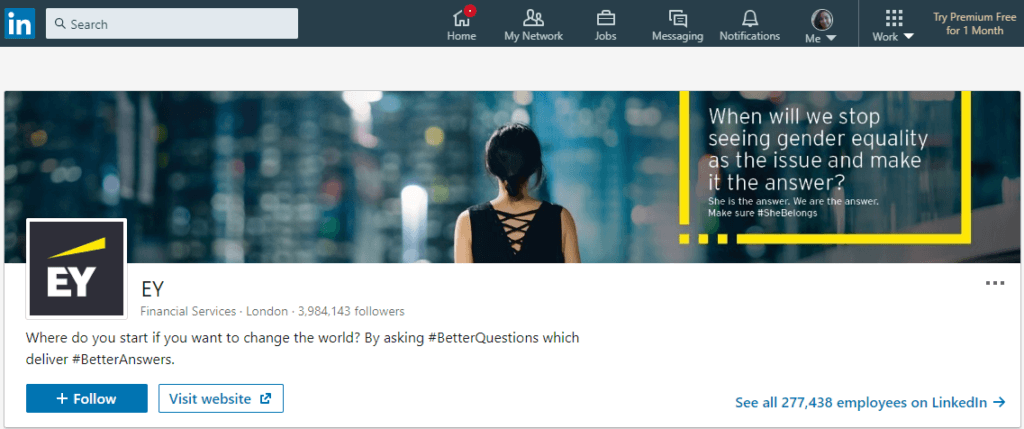
    Linkedin Image


LinkedIn is the most popular choice for recruiting personnel. Specifically designed to become a professional social networking site, it has at least 500 million users and 10 million job postings. Creating and expanding your presence on LinkedIn is an effective way to get those enquiries coming.


  • Facebook

Facebook Image

Facebook is great for engaging and building trust with your target audience. Just recently, it introduced a new jobs feature where employers can post job listings on the “Jobs” tab of their profile. Job seekers can also now apply directly on Facebook with the new update.


  • Instagram

Instagram Image

Instagram may not be a traditional choice when it comes to candidate resourcing. However, this social media platform does have its uses. If you’re targeting candidates in visual industries such as photography, interior design, graphic design, and architecture, this social media platform is an option to consider. You can also use its direct message feature to communicate with job hunters.


  • Twitter

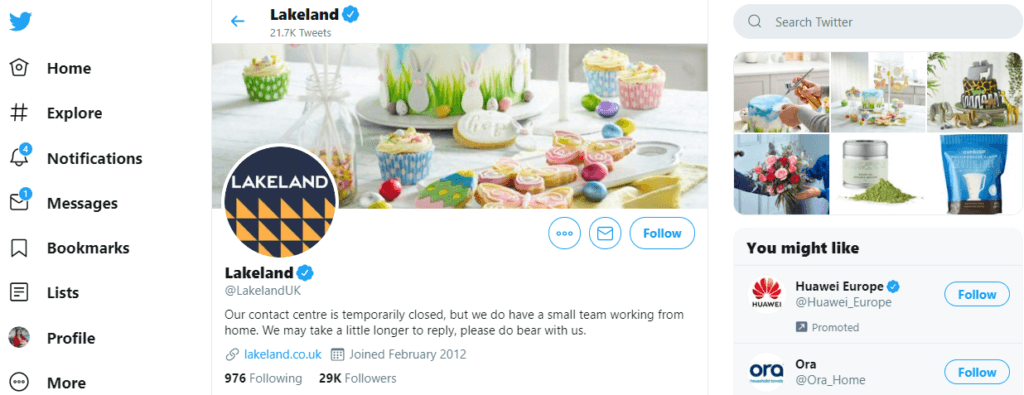
Twitter Images

Instead of using Twitter to hire candidates, what you can do is share new job postings on this social media platform to generate more enquiries.  


2. Reach out to your target audience

Once you have created brand awareness and generated audience interest through social media, what you can do next is to reach out to your prospects. Talk to them and engage them on a more personal level. What’s great about networking these days is that you don’t have to do it in person. You can utilise your online channels, such as your website and social media accounts, to build trust with your prospects. 

Reaching out personally and being genuine with your target audience is a great way to endear yourself to them. People generally love it when others take a sincere interest in them. If you show prospects that you care about them as a person and not just because of their skills and what they can offer, they are more likely to trust you and sign up for your services.  


3. Create quality content

No matter how big or small your recruitment business is, content marketing should be an integral part of your digital marketing strategy. There are two main reasons why you should create quality content: 


  • Content is a vital component of SEO

Content and search engine optimisation go hand in hand. Because Google seeks to provide users with the best and most accurate search results, it rewards websites that offer relevant, useful, and informative content. If you want to rank well on Google and other search engines, which makes it easier for your prospects to find you online, creating quality content that fulfils your audience’s needs is certainly a must. This way, you can succeed at candidate resourcing


  • Content helps build audience trust

Good content is what makes your audience keep coming back. It helps build your credibility and reputation by showing your prospects that you’re an expert in your field who can solve their problems. 

To create quality content, you must know who your audience is. This can help you identify relevant topics that both job seekers and employers would be interested in. It can also help you determine the keywords you should incorporate in your blog posts, infographics, videos, industry reports, and other pieces of content that you will publish online.  


Conclusion

Candidate resourcing is essential to the survival of any recruitment firm. By using the power of social media, reaching out to your audience, and creating quality content, finding skilled and experienced individuals you can recommend to employers or add to your talent pool is a walk in the park. So make sure to follow the pointers above to help your recruitment business flourish and succeed. 

At Recruitment Traffic, we can help you create an online candidate resourcing strategy that can help you achieve your business goals. Contact us today to obtain digital marketing solutions that work. 

Drive Your Recruitment Business Towards The Best Results.

Talk to us about how we can help.

20A-30 Abington Street, Northampton, Northamptonshire, NN1 2AJ

Bing SEM Expert Logo

Recruitment Traffic is a trading name of Situnario Ltd. © 2007 - 2021 Situnario Ltd. All rights reserved.


Actionable SEO Advice for Recruiters

Actionable SEO Advice for Recruiters

Actionable SEO Advice for Recruiters

These days, more and more people are using the Internet to find employment because it is easy, fast, and convenient. Similarly, employers are utilising the same strategy to find qualified professionals to fill vacant positions in their organisations. This is why if you’re in the recruitment business, it makes sense to take the necessary steps to ensure that both employers and job-seekers can easily find you online. Good thing this is something search engine optimisation (SEO) can help you with. 

But how exactly can recruiters leverage the power of SEO to obtain more leads so they can achieve their business goals? 


10 Tips for SEO Success

With intense online competition these days, only having a website doesn’t guarantee that your target market will easily find you and sign up for your services.  There are things you should do to gain your audience’s attention and trust. To help you achieve your goal of attracting more clients, here are some SEO tips you should consider. 


1.  Create a mobile-friendly website

With more people accessing the Internet through smartphones and other mobile devices, it makes sense to have a mobile-friendly website. This way, your target audience will be able to visit your website no matter where they are. This, in turn, will help increase your chances of attracting more leads. However, to ensure that mobile users will stay on your site long enough for you to make a conversion, you should optimise site structure and design, images, content, and page loading speed amongst others. 


2.  Go local

To obtain more organic traffic, consider running a local SEO campaign. Going local involves working on local listings to attract job-seekers and employers. For instance, instead of targeting potential leads all over the UK, you should target specific cities or regions to make your campaign more accurate and relevant. 


3.  Conduct keyword research

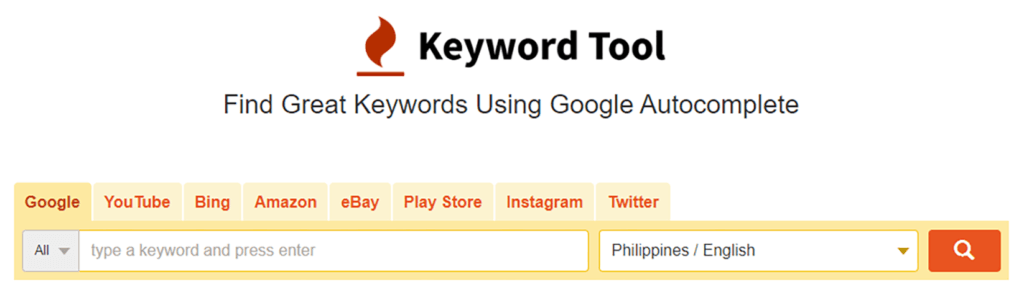
Keyword Tool Image

Find out how users can find you or your competitors online by conducting keyword research. This will help you identify the keywords and key phrases people are using to find recruitment services on the Internet. By incorporating these keywords into your website and web content, it will be easier for your target audience to see you on the Internet.


4.  Create fresh, useful and interesting content

London blogs

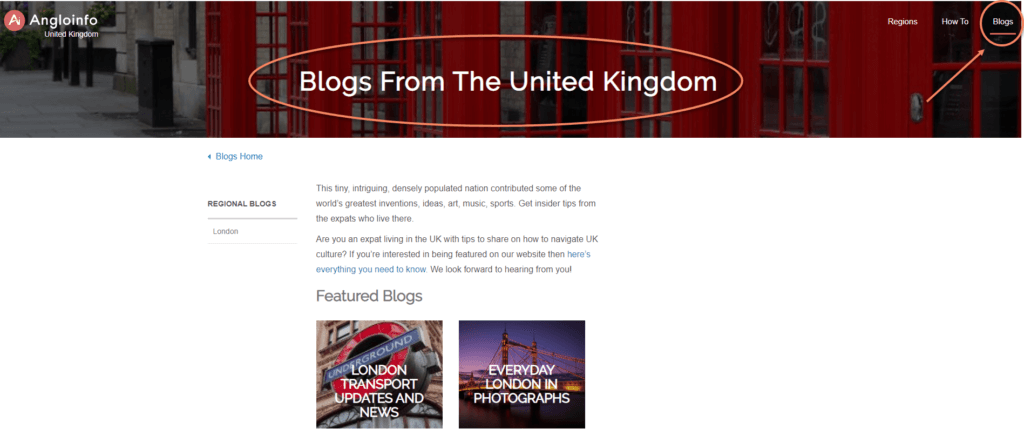
Speaking of content, make sure that you offer content that your target audience will find helpful and interesting. For this reason, you should consider having a blog. But before you start creating blog posts, make sure you conduct thorough research so you’ll know what sort of topics your audience would be interested in. Also, make it a point to post new content regularly. Because Google loves fresh content, keeping your blog fresh and updated is a great way to obtain good search rankings. 


5.  Build traffic

Organic traffic is essential to meeting your online marketing goals. For recruiters to generate organic traffic online, you must ensure that you are targeting the right audience. Apart from running a blog, there are many ways to build traffic for your site. For example, you can conduct link building or publish guest posts on authority sites to obtain backlinks. 


6.  On-Page Optimisation

On-page optimisation is the process of modifying individual web pages to obtain more relevant traffic and better search rankings. It involves both the content and the HTML source code of the web page. There are many strategies you can use to make each page on your site more search engine-friendly. These include improving page loading speeds, linking relevant pages together, adding keywords to the meta description and title tags, and improving overall user experience. 


7.  Use the right terminologies

Use the proper terminologies when targeting specific segments of your audience. For example, if you want to gain the attention of job seekers and employers in the health care sector, you should use terminologies and phrases that are unique to that industry. This will make your web content more relevant to your target audience. 


8.  Use social media

Social media images

Social networking sites, such as Linked, Facebook, Twitter, and Instagram, provide many opportunities for businesses to share informative and relevant content with their respective audiences. This is why you should consider leveraging the power of social media to expand your online reach. For example, you can encourage your readers to share your posts on social media to generate more traffic and attract more potential leads. 


9.  Watch out for your titles and headers

Because your titles and headers are the first things your audience will see when visiting your site, you should write them in a way that can easily capture their attention. Also, don’t forget to include the appropriate keywords in your headlines to make them more relevant and search engine-friendly. 


10.  Connect with other recruiters

Connecting with other recruiters by publishing a guest post on their site is a great way to obtain external links, which can help generate traffic for your website. It is also an effective way to build trust in your niche or industry.


Conclusion

Search engine optimisation is a massive help to recruiters like you. By using the best SEO practices, you can expand your online reach and make your website more relevant to your target audience. At the same time, it helps you attract more leads, allowing you to build a long list of job seekers and employers who require your recruitment expertise. 

At Recruitment Traffic, our goal is to help recruitment businesses leverage the power of SEO to create brand awareness and find more leads and candidates online. Contact us today to obtain the SEO solutions you need.

Drive Your Recruitment Business Towards The Best Results.

Talk to us about how we can help.

20A-30 Abington Street, Northampton, Northamptonshire, NN1 2AJ

Bing SEM Expert Logo

Recruitment Traffic is a trading name of Situnario Ltd. © 2007 - 2021 Situnario Ltd. All rights reserved.

On-Page SEO: A Nifty Checklist for Recruiters

On-Page SEO: A Nifty Checklist for Recruiters

On-Page SEO: A Nifty Checklist for Recruiters

These days, more and more people are using the Internet to find employment opportunities. On the same note, businesses and organisations are also turning to the Internet to find individuals who have the skills, talents, and qualifications they need. This is why if you’re in the recruitment business, it certainly helps to know how to leverage the power of the Internet so you can find more leads that will sustain your company and help it succeed. 

However, having an online presence isn’t enough to attract recruitment leads. You must ensure that your website is optimised for search engines. This way, your target audience can easily find you online.

How to Conduct On-Page Optimisation on Your Website

There are many ways to optimise your website for search engines, but today, we’re going to focus on only one: on-page optimisation. On-page Search engine optimisation involves optimising individual webpages to help your website get better search rankings and generate more traffic. 

To ensure that your on-page SEO game is on point, here are important tips you should consider:

1. Optimise your title tags

The title tag is what shows up as the link to your webpage on the search results pages of Google. Aside from that, it plays a very important role in SEO because it helps determine whether users will go and check out your content. 

To optimise your title tags, ensure that they are of the right length. Google usually displays the first 50 to 60 characters of a title tag. If your title tag is longer than 60 characters, there’s a huge chance that it won’t be displayed on Google search engine result pages (SERPs) properly. Also, make it click-worthy. Write it in a way that would pique the interest or curiosity of your target audience. Finally, ensure that it contains relevant keywords.

2. Write a good meta description

A meta description is what usually shows up under the title tag on SERPs. It tells both the users and Google what your web page or content is all about. In some cases, Google will pull text from your page and show that as your meta description, especially if you don’t provide a specific description for your web pages. 

Similar to optimising title tags, you must ensure that your meta description has the right length. Ideally, it should be between 150 and 160 characters. Also, make sure that it is relevant to what’s on your webpage. So if your content is about nailing job interviews, the meta description should reflect that.

3. Choose your images wisely

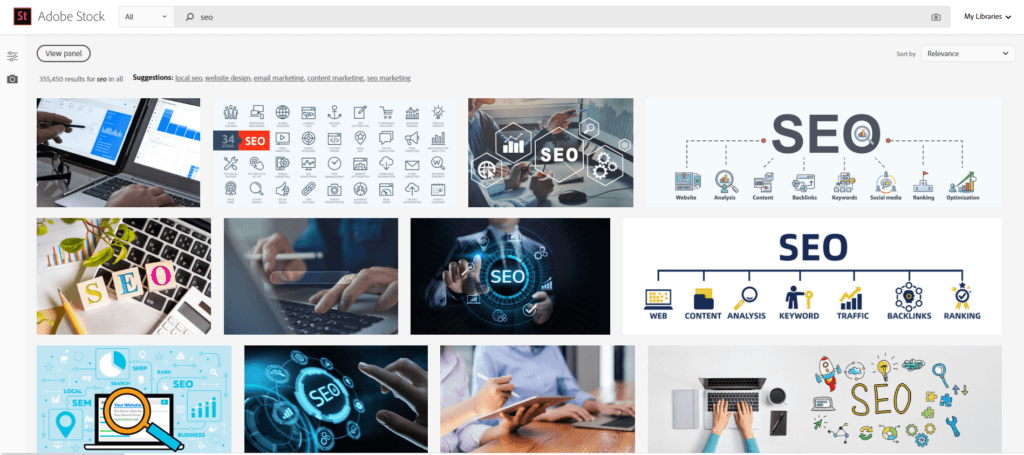
stock images


Does your website or blog contain cheesy or generic stock images of people in business suits shaking hands followed by a wall of text? If it does, you’re not alone. Most recruiters seem to have a habit of doing that. You might think that it’s okay since everyone is doing the same thing, but the truth is you’re doing your website a great disservice. 

When it comes to on-page SEO, your images are supposed to complement and make the content of your website look more interesting. This is why you have to carefully choose the images you’ll use with your blog posts or web pages. 

If you want to make your website look more professional, create custom images for each webpage or blog post. Also, when explaining complicated concepts or topics, consider adding diagrams or infographics since using images is sometimes better than posting a wall of text. 

To make your images more search engine-friendly, include keywords in their file names. For example, if your post has something to do with finding jobs in the health care sector, the image name should look something like this: landing_health_care_jobs.jpg. Similarly, your alt text should contain the appropriate keywords.


4. Familiarise yourself with HTML basics

Whilst you don’t have to master HTML to make your site more search engine-friendly, you should at least familiarise yourself with the basics of this coding language. This can help you better optimise your webpages, particularly your heading tags. 

A heading tag is what you “wrap” your headings with to make the latter more prominent or noticeable. In on-page SEO, the most important heading tags include:

  •  <h1> </h1> – used for the title of your post/webpage.
  • <h2></h2> – used for the subtitles. 

5. Use LSI keywords

Latent Semantic Indexing or LSI keywords are keywords that are semantically related to the keywords you’re targeting. They are not merely the synonyms of your keywords. Rather, they are words that are related to your main keywords and designed to help Google better understand what your webpage is all about. For instance, if you’re writing about computer programming jobs, you’d want your content to have related keywords such as C++, C programming, and python.

If you’re having trouble coming up with words that are semantically relevant to the keywords you’re targeting, LSI Graph can help. Simply enter your keyword into the search box and the website will return relevant terms that you can incorporate into your posts and webpages. 


Conclusion

On-page optimisation is one of the many steps to making your website more search engine friendly. Because candidates and employers won’t sign up for your services without a little nudge from you, you should take a proactive approach to making your website more visible and searchable online. As such, be sure to follow the pointers discussed above so you can attract more traffic and generate more recruitment leads. 

If you need help leveraging the power of Google to generate more leads, we are happy to lend you our expertise. Contact us at Recruitment Traffic to find digital marketing solutions that will take your recruitment firm to the next level. 

Drive Your Recruitment Business Towards The Best Results.

Talk to us about how we can help.

20A-30 Abington Street, Northampton, Northamptonshire, NN1 2AJ

Bing SEM Expert Logo

Recruitment Traffic is a trading name of Situnario Ltd. © 2007 - 2021 Situnario Ltd. All rights reserved.

A Recruiter’s Guide to Keyword Research

A Recruiter’s Guide to Keyword Research

A Recruiter’s Guide to Keyword Research


These days, finding potential clients and qualified candidates to add to your talent pool can be challenging if you’re not using the right tool. Fortunately, the Internet provides recruitment professionals like you with a quick and efficient marketing tool that can help them find exactly what they are looking for. With the intense competition these days, however, it’s important to have the right digital marketing strategy to ensure that your target audience can easily find you online. 

Google may have changed its search algorithms many times, but one thing remains the same. Keywords play a vital role in getting good rankings on search engine result pages or SERPs. By using the right keywords, it will be easier for job hunters and companies who might need your services to find you. 

To find the right keywords to use for your digital marketing campaign, you must conduct keyword research first.


What is Keyword Research?

All digital marketing campaigns should be founded on solid keyword research. If you want your marketing strategy to be effective and successful, you should determine the keywords or key phrases you must use throughout your campaign. 

So what exactly is keyword research? Keyword research is the process of identifying and analysing search terms that people use to find certain information online. The amount of data it can provide can come in handy when developing and running an online marketing strategy. It can also help you pinpoint the type of content your audience might like. 

Keyword research can also give you a glimpse into the mindset of both job seekers and employers. It allows you to get to know them better by providing you with an insight into their thoughts, fears, and desires. 


Why Keyword Research is Important

For many recruitment agencies, running an SEO or content marketing campaign can be tricky these days. In recent years alone, Google has made several updates to its search algorithms. Before, recruiters can rank well on SERPs by having content with the exact search terms used by people looking up specific information online. Now, Google prioritises content that matches a user’s search intent instead. 

However, this doesn’t mean that keyword research is no longer an essential part of digital marketing. Here’s why. 


1. It helps you identify the type of content you should create

Keyword research should be a part of every recruiter’s digital marketing strategy because it tells you what sort of content job seekers and employers might be interested in. Also, it helps you determine how popular a particular topic is amongst your target audience. 

By having access to this information, you can improve your current content marketing strategy. You’ll be able to craft content that can fulfill your audience’s needs and match their search intent. This, in turn, can help you get better search rankings. 

google ads keyword planner


2. It provides you with more organic traffic

Skipping keyword research can put you at risk of targeting keywords and topics your audience might not be interested in. It is because even if you have comprehensive and well-crafted content, it won’t help you attract organic traffic if it contains keywords with no search volume. 

If you don’t want your content to go to waste, you should research the keywords you need to use. This way, not only can you obtain more organic traffic but you can also help your content get good rankings on SERPs. 


3. It helps you avoid topics that are too competitive

A keyword or a topic’s popularity is not the only thing you can determine with keyword research. It can also help you gauge how difficult it can be to rank for them. A keyword is considered highly competitive if it has high revenue potential. For example, the topic or keyword “SEO” is highly competitive because it has significant monthly search volume and many websites are making money off it. 

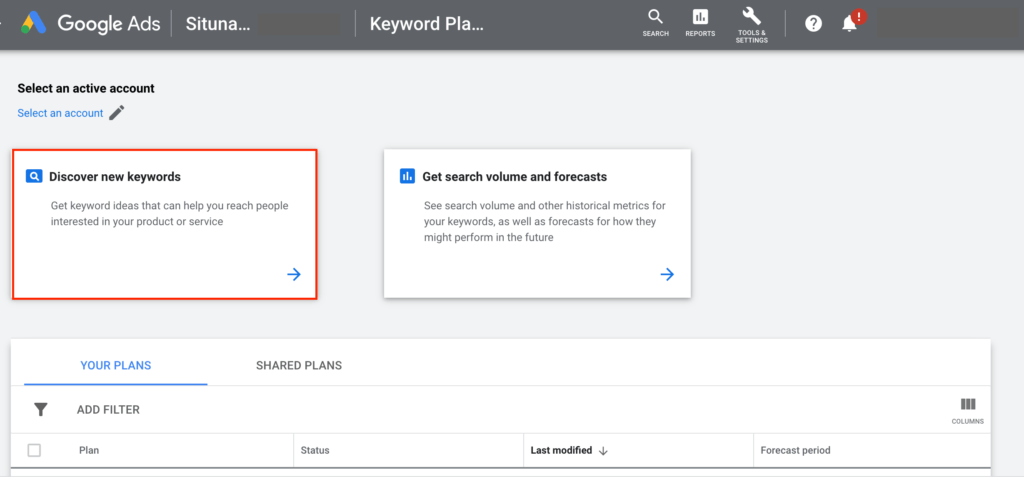
Google Keyword Planner is a tool that you can use to obtain this information. For instance, in paid search, you can determine how competitive a keyword is by looking at its CPC (cost per click) under the “Competition” column. The higher a keyword’s CPC is, the more difficult it is to rank for it. 

With access to this vital information, you know better than to waste your time and effort on a topic or keyword that is too competitive. To get the best result possible, you should find better alternatives to the topic/keyword you want to initially rank for. 


4. It helps with on-page optimisation

On-page optimisation is the process of improving certain elements of your website, such as your meta descriptions, title tags, and URLs, to improve its search ranking. It is common knowledge that on-page elements play a role in how websites rank. Whilst Google has yet to confirm this, several studies, including this one made by Backlinko, showed that there is indeed a correlation between getting good search rankings and having excellent on-page optimisation strategies. In particular, this graph by Pressidium.com showed that websites with keywords on their title tags ranked higher on SERPs. 

Keyword research allows you to identify the best keywords to use in on-page optimisation. Whilst it remains unconfirmed if a site’s on-page elements have something to do with its search rankings, it’s best to be prepared. As such, it would be wise to continue having relevant keywords in your site’s on-page elements.


5. It helps you identify new opportunities

Keyword research helps you better understand job seekers and employers. It gives you a glimpse into their thoughts, fears, and desires. This knowledge is an invaluable tool that can help not only with your marketing efforts but also with the way you run your business. 

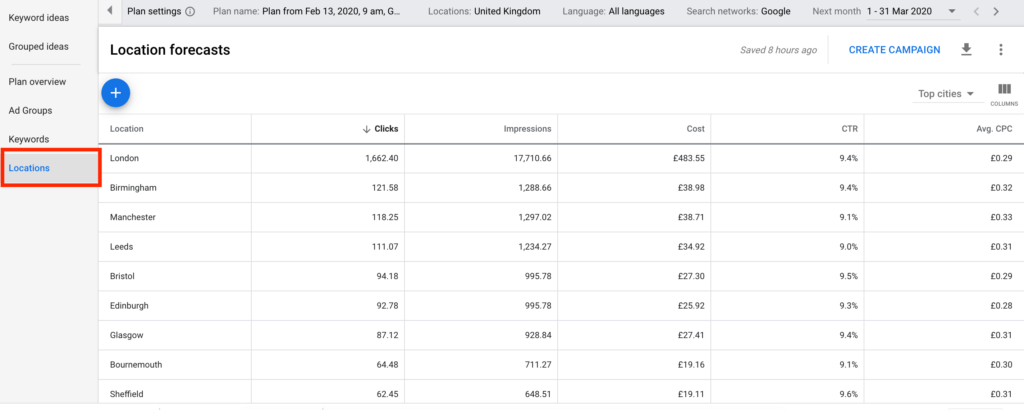
With a better understanding of your audience, coming up with ideas that could give you more enquiries would be a cinch. It could even help you identify new locations where your services could be needed. 


location forecast image


Conducting Keyword Research

Now here comes the fun part: doing keyword research. When researching keywords, you must be patient because there is more to do this task than identifying the keywords you need to use. Here are the steps you should follow.


1. List down some information about your company

The first step is to get to know your business as much as possible. This will serve as your guide as you conduct your research and could even help you develop various pieces of content for your business later on. 

You probably already know a lot about your company, but to ensure that you won’t miss anything, here are a few questions you should ask yourself: 

  • What services do I offer?
  • Who are my clients?
  • How are they searching for my services?
  • Why do they need my services? 

Once you have listed down the answers to these questions, let’s proceed to Step No 2.


2. Create a list of topics

Next is to create a list of topics based on the information you have collected about your company. Since you’re in the recruitment business, some of the topics that could be relevant to your audience include: 

  • Job application tips
  • How to recruit new employees
  • Common job interview questions
  • How to interview a candidate
  • How to pass a job interview 

Are you having difficulty coming up with more topics? If you are, consider putting yourself in the shoes of your clients. Then, as a job seeker or a business owner looking for someone to fill in a vacant position in your company, ask yourself what kind of topics you would find useful or interesting. This should give you plenty of ideas. 


3. List down all relevant keywords

After creating a list of topics, the next step is to identify all related keywords. These are the search terms you think your clients would use when looking up the topics you’ve listed. Using the topics above, some search terms your customers might use include: 

  • Job application
  • Applying for a job
  • Employment tips
  • Job interview
  • Job interview questions
  • Passing a job interview
  • Employee recruitment 

Next is to determine how popular these keywords are by using a keyword research tool. As mentioned earlier, the more popular or competitive a keyword is, the more difficult it is to rank for it, especially in organic search. If you don’t want to waste your time on popular keywords, consider search terms with low search volume. However, make sure you don’t go too low. Otherwise, you might be unable to attract any searchers to your site. The trick here is to target very specific keywords with lower competition. 


4. Look for related search terms

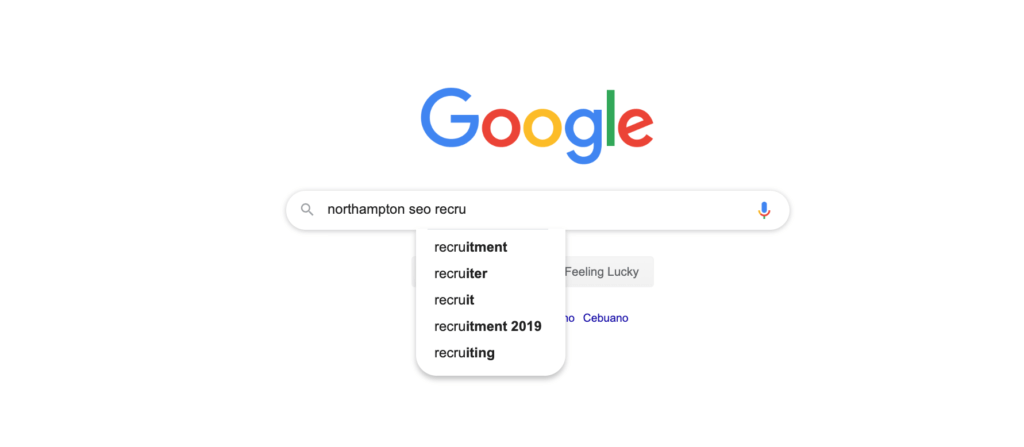
Identify the search terms related to your topics/keywords. Enter a particular keyword on Google and take note of the related search terms or search suggestions that will appear at the bottom of the SERP. These related search terms could help you identify the keywords that you might have overlooked before. 

Google suggest keywords

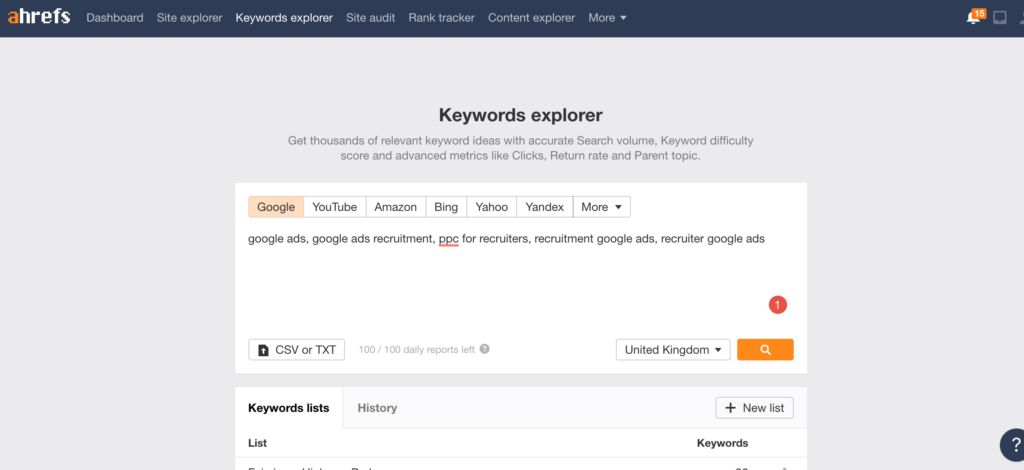
Another method is to use ahrefs.com. You must subscribe to their services first but you can try their analytics tool for free for seven days. Once you sign up, group the keywords on your keyword list into categories. Expand each category using ahrefs.com’s Keyword Explorer tool. Click on each parent topic under the ‘Parent Topic’ column in the results list page. Then, choose the relevant keywords you can add to your list. 


ahrefs keyword


5. Consider long-tail keywords

As the name implies, long-tail keywords are search phrases that contain four words or more. They are often longer and more specific than general search terms. Compared to general search terms, long-tail keywords are less popular, receiving less than 100 searches every month. 

Despite their low popularity, however, long-tail keywords should not be underestimated. More often than not, they convert better than general search terms because the people who use them are more specific and intentional in their searches. 

For instance, someone who conducts an online search using the keyword “jobs” is probably not seriously looking for employment at the moment. On the other hand, someone searching for “entry-level accounting jobs in Northampton” is most likely asking local recruitment agencies for help. This is why it’s important to have a mix of general search terms and long-tail keywords because it allows you to develop a well-balanced keyword strategy. 


6. Check out the competition

Don’t forget to determine the keywords your competitors are trying to rank for. Whilst you don’t necessarily have to do everything they’re doing, you should check the competition so you can come up with a better keyword strategy. 

For example, if another recruitment agency is ranking well for the keywords “UK health and safety jobs” and you’re not, you should re-evaluate your current strategy to improve your search rankings for these keywords. Apart from this, you should also take note of the keywords your competitors are not using. This can help you identify keywords that may be useful but not that difficult to rank for. 

You can use paid analytics tools to get a feel of your competitors’ keyword strategy. But if you want to do it without spending money, simply use incognito mode on your web browser. Then, manually Google recruitment-related keywords and see how your competitors rank on SERPs. 

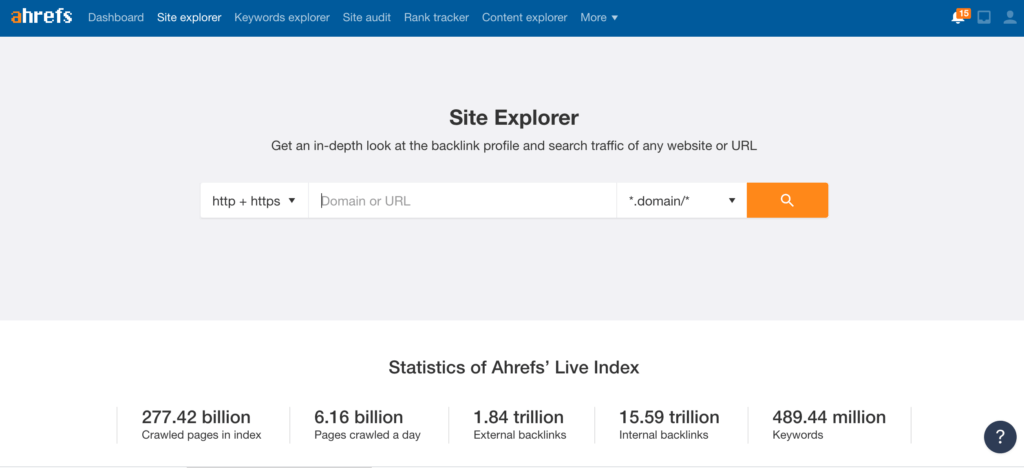
On the other hand, if you want to complete this task quickly and efficiently, you can use ahrefs.com or spyfu.com. On ahrefs.com, click on ‘Site Explorer’ and then type the URL of your competitor into the search box. Navigate to ‘Organic Keywords’ to see the list of keywords your competitors are trying to rank for.


ahrefs screenshot

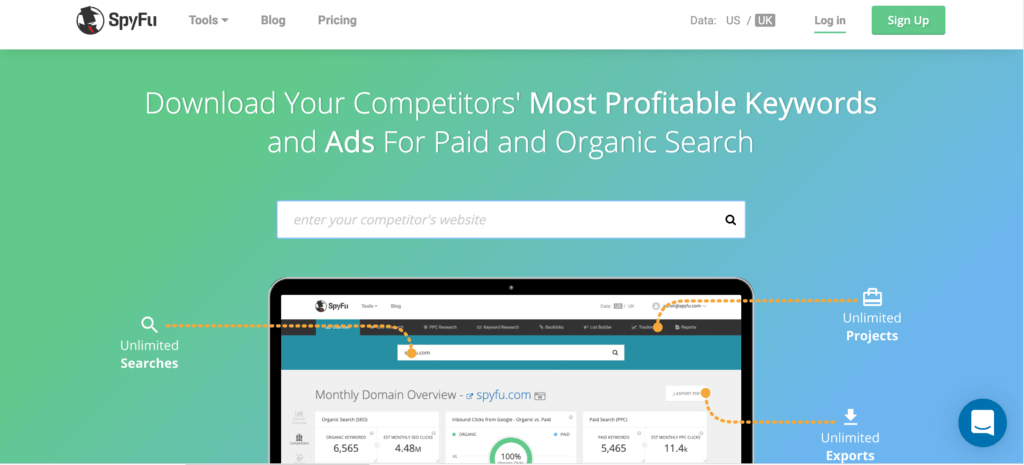
On spyfu.com, click on the ‘Overview’ tab and then enter the URL of your competitor. There you will see a wide range of information about their website, including their top organic keywords, monthly SEO clicks, and organic and paid competitors. 


spyfu image


7. Refine your keyword list

Before you launch your digital marketing campaign, weed out unnecessary keywords to ensure that you’ll use only the best and most relevant ones. An effective way to refine your list is to use Google Keyword Planner and Google Trends. To do this, you should set up a Google Ads account. Don’t worry though. You don’t need to create an ad to use this tool. 

With the help of the Keyword Planner, determine the search volume and traffic estimates of the keywords you want to rank for. Then, remove the keywords with duplicates and those with either too little or too much search volume. Don’t forget to check the keywords’ trend history and projections first with Google Trends, too. This will help you determine if a low-volume keyword could help you later on. 

Another way to trim down your keyword list is by targeting specific locations in the Keyword Planner or evaluating “interest by sub-region” in Google Trends. Geo-specific keyword research is a great way to make your content more relevant and relatable to your audience. For instance, you might discover that in Location A, accounting jobs are more in demand, whilst in Location B, medical jobs are more popular. 


Conclusion

Thorough keyword research should be the cornerstone of any digital marketing strategy. Not only does it help you optimise your website and content for search engines, but it also helps you develop a better understanding of your target audience. More importantly, it enables you to create an effective and efficient digital marketing strategy. 

As competition amongst recruitment agencies becomes more intense, it is important to ensure that job seekers and employers can easily find you online. This is why you must never skip keyword research as it can bring your digital marketing campaigns to the next level. 

Do you need help with keyword research? At Recruitment Traffic, we are happy to assist you. Contact us today to get the digital marketing solutions you need.

Drive Your Recruitment Business Towards The Best Results.

Talk to us about how we can help.

20A-30 Abington Street, Northampton, Northamptonshire, NN1 2AJ

Bing SEM Expert Logo

Recruitment Traffic is a trading name of Situnario Ltd. © 2007 - 2021 Situnario Ltd. All rights reserved.

5 SEO Strategies That Can Help Recruiters Survive and Thrive in 2020

5 SEO Strategies That Can Help Recruiters Survive and Thrive in 2020

5 SEO Strategies That Can Help Recruiters Survive and Thrive in 2020

To succeed as a recruiter, you must know how to adapt. Because nothing is permanent in this world, it’s crucial to keep up with the changes so you’ll see how you can survive and thrive in your new environment. The same thing applies to SEO. Search engine optimisation is a very dynamic field. Therefore, you cannot expect everything to remain the same, especially with Google adjusting its search algorithms frequently.

What recruitment SEO strategies you should use to attract more traffic and generate more leads this 2020?


SEO Strategies You Should Implement This Year

The year 2020 brings in many changes to the way we do SEO. Here are the steps you should take to become successful this year:


1. Optimise for voice search


Keyboards are becoming somewhat obsolete these days as more people tend to “talk” to their devices and ask them to look up things online. With the popularity of AI assistants such as Siri, Alexa, and Google Assistant, global voice search is likely to continue to grow in the coming years.

With 50% of online searches expected to be voice-based by the end of 2020, recruitment companies should optimise their websites for voice search. To attract more traffic, you must include the use of relevant long-tail keywords in your existing SEO strategy. Also, you should think like a job seeker or an employer and come up with the exact questions you think your target audience would ask Google.

Keep in mind that there are notable differences between voice search results and traditional search results. In particular, a typical voice search result has an average length of 29 words. To rank well on Google, therefore, you must offer your audience brief, concise, and straightforward answers.


2. Research keywords that will give you clicks

When you look up something on Google, there’s a significant possibility that you won’t click on a link because what you’re looking for is already on the search result page. While it is convenient for ordinary users, it could bring problems to recruiters like you. 

Research showed that 50% of online searches are “zero-click searches.” It may sound dire, but it isn’t as terrible as you think it is. Zero-click searches aren’t a cause for concern because they are mostly from people looking for quick information such as the answer to a straightforward question or the contact details of a local business. As a result, they are less likely to give you conversions.

However, it doesn’t mean that zero-click searches shouldn’t threaten you. To encourage enquiries, which could give you more leads, you should identify keywords that will provide you with clicks. Use your Google Search Console and keyword tools such as Rank Tracker to make your content more relevant to search queries starting with words such as “where,” “what,” and “how.”


3. Level up your content creation game

Creating high quality and relevant content should always be a part of your online marketing strategy. It is considered one of the most crucial SEO strategies for recruiters now that Google has become more serious about providing users with the information they need.

With the introduction of RankBrain, which made it possible for the search giant to interpret the meaning of a piece of content, merely peppering your blog posts or web pages with keywords won’t cut it anymore. You must ensure that your keywords are relevant and that your content provides value to your audience. Also, you should avoid using too many of them. Otherwise, Google will flag your content or webpages as “spammy.”

Apart from RankBrain, another significant update Google made to its search algorithm is BERT or Bidirectional Encoder Representations from Transformers. BERT allows the search giant to provide better and more relevant search results by understanding the nuances and context of words in search queries.

Because of BERT, you must determine and understand your audience’s intent behind their online searches. In doing so, it will be easier for you to identify how you can meet their needs. At the same time, it can help you get more web traffic and qualified leads.


4. Create a Google My Business listing

One notable change in local search is the growth of zero-click searches in recent years. Fortunately, there is a simple way to convince your target audience to go straight to your site instead of stopping at SERPs.

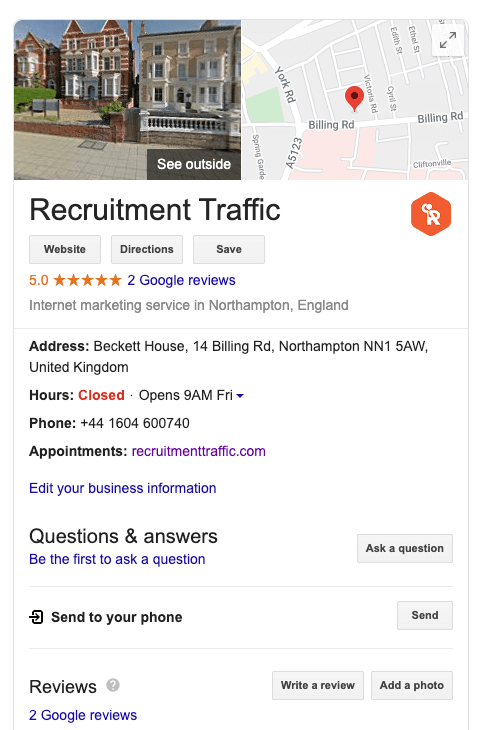
google my business


Instead of merely having a website, consider creating a Google My Business listing as well, especially if you have a physical location and you’re targeting job seekers and business owners in a specific area. On  Google My Business page allows you to cover several local searches. Also, it helps you optimise for queries containing keywords such as “address”, “phone number,” and “near me.” 


5. Build a solid backlink profile

Apart from creating quality content and setting up a strong local presence, building a robust backlink profile will help. You can do this by obtaining backlinks that are:

  • Relevant to job recruitment/employment
  • From trusted authority websites

Apart from acquiring locally authoritative backlinks, you can also research the ones your competitors are using and then try to obtain them for yourself. By using one the most tried and tested SEO strategies for recruiters, you can create quality backlinks that can help you attract more traffic.


Conclusion

The rules of SEO are always changing. As such, it’s vital to know what the latest trends are so you can adjust your strategies accordingly. Make sure to follow the SEO pointers discussed above so you can attract more job seekers and clients and convince them to sign up for your services.

Need help building traffic and generating leads for your recruitment business? Contact us at Recruitment Traffic today. We have the tools and expertise to help your company make the most of every client or candidate opportunity.

Drive Your Recruitment Business Towards The Best Results.

Talk to us about how we can help.

20A-30 Abington Street, Northampton, Northamptonshire, NN1 2AJ

Bing SEM Expert Logo

Recruitment Traffic is a trading name of Situnario Ltd. © 2007 - 2021 Situnario Ltd. All rights reserved.