What is SEO for Recruiters?

What is SEO for Recruiters?

What is SEO for Recruiters?

SEO for Recruiters image

You have decided to leverage the power of the Internet to reach job seekers and employers. Good for you! With over 4 billion people using the Internet daily, it is where you want to be to expand your reach and find more leads.

However, since the Internet provides recruiters with excellent marketing opportunities, fierce online competition isn’t far behind. These days, it isn’t enough that you have a website. You must do everything you can to ensure that your target audience can easily find you online. 

SEO for Recruiters Explained

Search engine optimisation, or SEO, is a digital marketing strategy that can help you obtain more online visibility. It is the process of improving the quantity and quality of your web traffic through organic search engine results.

Here’s how SEO for recruiters works. Google and other search engines seek to provide their users with the most relevant and accurate results for their search queries. To do this, they will deploy search bots that will scan or crawl websites to identify and understand what they are all about. If they find that a site is relevant to a user’s search query, it will rank high on search engine result pages or SERPs.

The goal of SEO is to help you rank well on search results so you can be more visible on the Internet. With better online visibility, you can:

  • Attract more web traffic
  • Build better brand awareness
  • Convert leads into customers
  • Trump the competition and establish yourself as a recruitment expert 

SEO and User Experience

Before, Google didn’t take into account how easy it is to use a website. As long as it contains relevant content and the appropriate keywords, it didn’t matter if the site has poor web design. 

However, the search giant has changed significantly over the last few years. Today, it also considers user experience as a ranking factor. Apart from web content, Google’s search bots will scan sites also to determine how easy it is to use and navigate each of them. Even if you have relevant and high-quality content, you won’t get good rankings if you have poor web design.

Beyond helping you obtain more traffic, search engine optimisation also enables you to provide your visitors with better user experience. To achieve high search rankings, you must implement better navigation, utilise quality web design, and ensure faster page loading times, amongst other things. Through these strategies, you’re creating a better online space for your web visitors. This encourages them to keep coming back for more.

How to Your Site More Search Engine-Friendly

You need to take specific steps to enjoy the benefits of SEO for recruiters fully. Let’s take a look at some of them.

1. Seek expert help

Running a recruitment business can be a lot of work. If you add SEO to the mix, you might not have enough time to do anything else. While the principle behind search engine optimisation may look simple enough, implementing the necessary strategies to get good rankings is the opposite. You’ll need time and effort to get the results you’re expecting.

As a recruiter, it is in your best interest to seek professional help. By hiring an expert to do the SEO work for you, you can obtain much better results. More importantly, you can focus on running your business and addressing the needs of your clients.

2. Create quality content

 

content writing image


SEO for recruiters and excellent content go hand-in-hand. Crafting quality content helps you obtain quality backlinks, enables you to incorporate relevant keywords, and provides your audience with valuable and related information. As discussed earlier, these three elements are essential to ranking well on Google and other search engines.

For this reason, ensure that your site contains content that answers your audience’s questions. Provide tips, pointers, tutorials, and other materials that could be useful to both job seekers and employers. With high-quality content, web visitors are likely to return to your site. Also, you’re more likely to attract new members of your audience.

3. Keep your site fresh

Google loves frequently updated websites. It uses a site’s freshness as a ranking factor. As such, make it a point to keep yours updated to enjoy better search rankings. Make the necessary adjustments to ensure that your site is compatible with Google’s latest algorithm update and contains the most recent information about the recruitment industry.

Keeping your site fresh is also useful for your audience. It encourages both candidates and employers to keep coming back, thus, increasing the number of your repeat visitors.

Conclusion

With fierce online competition, being one step ahead of your competitors certainly helps. Fortunately, this is something you can achieve with the help of our SEO experts. By optimising your website for search engines, not only can you attract more traffic, but you can also provide your audience with better user experience.

At Recruitment Traffic, we can help you leverage the power of SEO to attract quality traffic and leads. Contact us today to obtain the solutions you need.

Drive Your Recruitment Business Towards The Best Results.

Talk to us about how we can help.

20A-30 Abington Street, Northampton, Northamptonshire, NN1 2AJ

Bing SEM Expert Logo

Recruitment Traffic is a trading name of Situnario Ltd. © 2007 - 2021 Situnario Ltd. All rights reserved.

How Topics Can Help Recruiters Get Higher Search Rankings

How Topics Can Help Recruiters Get Higher Search Rankings

How Topics Can Help Recruiters Get Higher Search Rankings

Trending Topics image

Keywords plays a vital role in search engine optimisation. Not only do they make it easier for your audience to find you online, but they also help you create relevant web content. This is why it’s essential to start your SEO campaign with keyword research. 

But if you ask our recruitment SEO experts here at Recruitment Traffic, they will tell you that keywords are not everything. While they are crucial to achieving better online visibility, you should not focus solely on them if you want to attract the attention of more candidates and employers. We believe that you should also focus on topics when developing your SEO and content strategy. 

How Are Topics Different from Keywords?

While often used interchangeably, topics and keywords are different from each other. Understanding the significant difference between the two is essential to ranking well on Google. 

In SEO, keywords are simple words or complex phrases you insert in your web content or pages to help people find your website through search engines. They are also the words people enter into search engines to find specific information or sites. 

Topics, on the other hand, consist of several relevant keywords and search queries used in the various stages of a user’s journey.  If keywords offer suggestions on relevant topics you can write about, then topics help you identify the keywords to use in your content. 

Tips on Using Topics to Improve Your Search Rankings

A few years ago, Google identified websites to show on search result pages based on the keywords people use in their search queries. Now, with the recent updates on its search algorithms, Google relies on a website’s contextual meaning to provide searchers with the information they need. This shows how important topics are in today’s SEO. 

If you want to get better search rankings, here’s what you should do: 

1. Determine the topics your audience likes

Follow the lead of recruitment SEO experts by starting your campaign with a solid SEO strategy. The first thing you need to do is to identify recruitment subjects or issues that might interest your audience. Once you have a long list of recruitment topics, you can now conduct standard keyword research. 

While researching your main keywords should be your priority, you should also identify search terms that are semantically related to your topics. To do this, determine the sub-topics that may be related to the one you want to create content for. Then, think of the questions that your audience might ask regarding these sub-topics. Once you have an exhaustive list, identify the keywords that your audience might use when asking these questions. 

2. Check out the competition

At this point, you should have an idea of the types of content you’ll need for a specific topic. Next is to pinpoint who is ranking well for your chosen topic. If another recruiter is doing well for the topic you want to target, there’s a huge chance they are using an excellent strategy. 

Understand your competitor’s strategy well by determining how they structure and deliver their content. This should help you come up with a useful plan when creating your content or working on your website. 

A quick warning, though. You should never duplicate what your competitors are doing. Plagiarising your competitors’ content can result in a Google penalty. Instead, obtain inspirations from your competitors and try to surpass them. 

3. Be familiar with search intent

incognito image

Just recently, Google launched the BERT update, which made it possible for machines to understand language the way humans do. With this update, it has become more crucial to understand what motivates people to perform a specific search query online. By understanding their motivation, identifying the type of content you need to create or revamp to satisfy your audience’s needs will be much easier. 

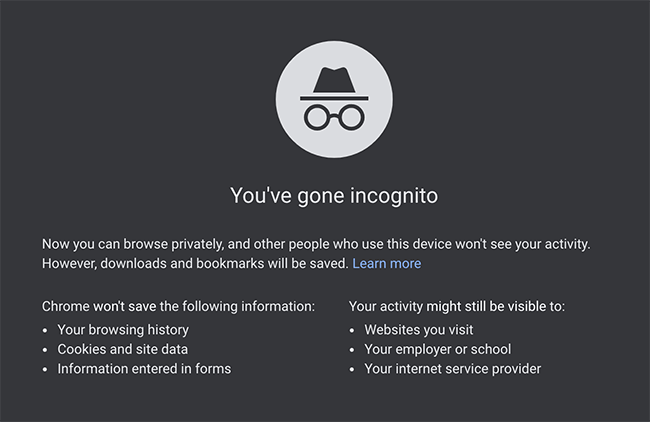
You can use a wide range of SEO tools to understand your audience’s search intent. However, simply searching on Google while in incognito mode can help you obtain good results. 

When you look up a specific topic using a single-word query, you’ll see that educational content made up most of the search results. For example, when you type in “recruitment” on Google, you’ll notice that the top search results point to links that answer the following questions: 

  • What is recruitment?
  • What are the stages of the recruitment process?
  • What are the types of recruitment? 

These questions should clue you in on what types of content you should create when targeting the topic “recruitment.”

4. Take your site structure into account

internal link image

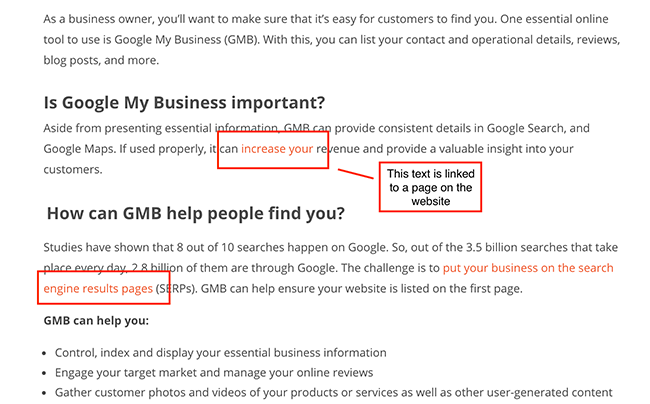
Creating valuable content pieces is not enough. You should also structure them in a way that Google’s search bots can easily crawl them. This will tell Google that you’re a trusted authority when it comes to jobs and recruitment. 

You can do this by using breadcrumbs. Breadcrumbs are small navigational aids recruitment SEO experts like us here at Recruitment Traffic used to help web visitors identify their exact location on a specific website. They help improve overall user experience and, more importantly, they help search bots understand how to get from Point A of your website to Point B. 

Focus on Topics to Get Better Google Rankings

Keywords are essential to SEO. However, you should give topics some due attention, too. It is because they enable you to provide job seekers and employers with more valuable and useful content. This, in turn, aids your Google ranking and helps you enjoy better online visibility. 

If you need help getting better search rankings, we’re happy to assist you. Our SEO experts here at Recruitment Traffic have the skills and experience to help you leverage the power of Google to give your recruitment business a boost. Contact us today. 

Drive Your Recruitment Business Towards The Best Results.

Talk to us about how we can help.

20A-30 Abington Street, Northampton, Northamptonshire, NN1 2AJ

Bing SEM Expert Logo

Recruitment Traffic is a trading name of Situnario Ltd. © 2007 - 2021 Situnario Ltd. All rights reserved.


What You Need to Know About SEO Strategies in the Recruitment Industry

What You Need to Know About SEO Strategies in the Recruitment Industry

What You Need to Know About SEO Strategies in the Recruitment Industry 

The biggest challenge for online recruiters is ensuring that the right candidates are the ones reading their job postings. However, you will probably be well aware by now that the post-and-pray strategy is unlikely to work. Instead, what recruiters need to do is focus on relevant SEO strategies that will attract both job candidates and clients.

Therefore, it is important to create engaging job advertisements that will increase the chances of candidates reading about your vacancies. If done correctly, your reputation as a successful job recruiter will grow. However, you first need to put in place an effective SEO campaign.    


What do you know about SEO?

This is the process of making your website organically visible on the search engine results pages (SERPs). This means ranking without resorting to paid ads. The primary objective is to appear on the first page to boost your chances of attracting more visitors. If your website is on page two or three, it is unlikely that many searchers will find you. After looking at the first page, users often type a new search term and start again.

This is why it is vital to appear at the top of the search engine results pages. If your site ranks on the first page, jobseekers will easily be able to find you.  


Learn how SERPs work

First, you need to understand how search engines rank websites. For example, Google uses an algorithm that involves more than 200 parameters to determine the relevance of your website to the search terms.

Fortunately, while it is virtually impossible to account for all these parameters, you can focus on only four.


1. Page Title 


Page Title image


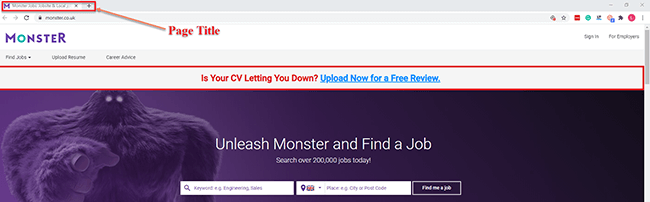
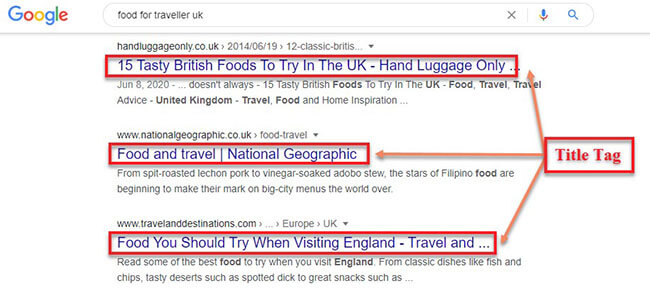
The webpage title is the primary parameter in Google’s algorithm. This is the first line of text (coloured blue) that you will see in the search results. If your page title matches the search term used by the job candidate in their query, then it is more likely that it will appear on the SERPs.

For example, if a candidate types the search term ‘senior accountant’, Google will begin searching webpage titles which feature this phrase. If you are on page two or below, consider optimising your titles to match your prospects’ search queries. 


2. Page URL 


Page URL image


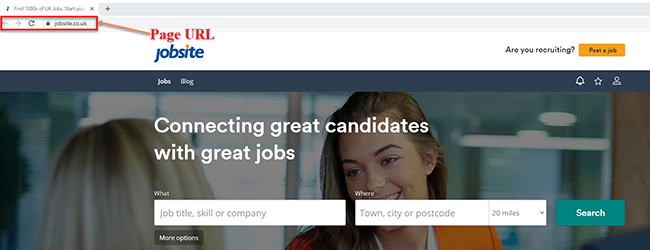
On the SERPs, the URL is the second line of text (coloured green) below the title. Google uses the URL to verify whether the search term also appears in the web address. For example, if the phrase ‘senior accountant’ is also included in your URL, Google will increase your ranking on the SERPS.


3. Keyword Density 


Keyword Density image


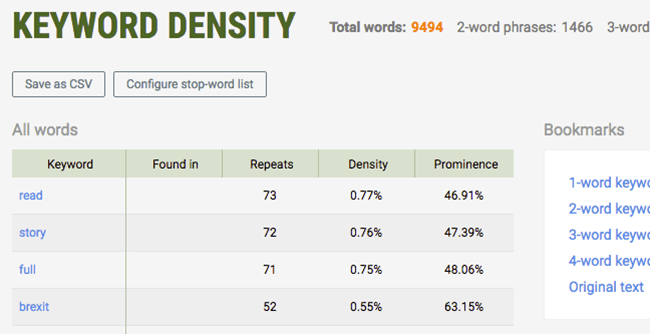
Google will then see how many times the search term appears in your web content. It determines the density by using a method called contextual ranking to see whether the page is relevant to a particular search term or keyword. In our ‘senior accountant’ example, you will notice that the final texts (coloured black) highlight any matching words.

By now, you should be able to see a pattern emerging. It is important to ensure that your website is an excellent match by making the search term appear in the title, URL and content.


4. Inbound Links 

Links from popular websites can increase your authoritativeness in the eyes of Google. In addition, the search engine’s algorithm will push your site higher on the SERPs, making you credible to searchers. For this reason, you should consider sharing your job ads with other sites such as: 

  • Facebook  
  • Google
  • LinkedIn
  • Twitter

Search for websites that the majority of job candidates visit and ensure that you share a link with them to boost your recruitment SEO efforts.

However, linking ads is only half the battle. You need to include strong call-to-actions (CTAs) in your posts. For example, adding words such as ‘Click here to apply’ can encourage candidates to visit your website.


Beware of bounce rates


bounce rate image


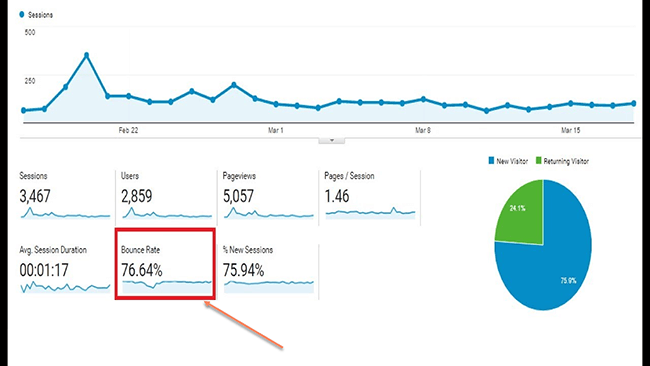
Reports can inform you that your website’s engagement with visitors is poor; either it is not providing the correct information or it is not interesting enough. By understanding why your bounce is rate is high, you will be able to make improvements.

One way to encourage people to stay on your site is by providing a pleasant user experience. For example, although you may have the requisite information, if your website is difficult to navigate, users will not hesitate to leave. In addition, you should keep the loading time to a minimum. Ensure that your website loads in less than five seconds as otherwise people may decide to take their custom elsewhere. Furthermore, your site should also be designed for mobile platforms as Google has given priority to sites optimised for mobile viewing.

However, not all bounces are necessarily bad. For example, let’s say a visitor has found and read your blog post. They then close it. Google interprets this as a bounce. Meanwhile, someone else lands on your blog post, doesn’t read it, but does open another page on your site. This won’t be interpreted as a bounce. To remedy this problem, consider consulting with a reliable SEO specialist.


Conclusion

The goal of every online recruiter is to land their job ads on page one of Google’s SERPs. To achieve this objective, you will need to research and incorporate relevant keywords in your website’s title, URL and content. This technique will ensure that your site ranks well with the search engine’s algorithm. However, remember to use keywords as naturally as possible; if you overuse them, you may be penalised for keyword stuffing. Also, based on experts’ recommendations, ensure that your keyword density does not exceed 5% (1 in 20 words). Furthermore, sharing your ads with authoritative websites and social media platforms will also help your ranking with Google. 

If you need any advice on how to increase the traffic to your recruitment website, or about other SEO techniques you should implement, feel free to contact our team at Recruitment Traffic.

Drive Your Recruitment Business Towards The Best Results.

Talk to us about how we can help.

20A-30 Abington Street, Northampton, Northamptonshire, NN1 2AJ

Bing SEM Expert Logo

Recruitment Traffic is a trading name of Situnario Ltd. © 2007 - 2021 Situnario Ltd. All rights reserved.

Why Recruiters Need to Pay Attention to Their Meta Tags

Why Recruiters Need to Pay Attention to Their Meta Tags

Why Recruiters Need to Pay Attention to Their Meta Tags

With intense competition these days, recruiters need to establish a robust online presence so they can reach their target and gain a substantial number of leads. One way to do this is through on-page SEO. By optimising the various on-page elements of your recruitment website, you can improve your search rankings on Google. The higher you rank on Google, the easier it is for employers and job candidates to find you. 

Of all the on-page elements of your website, meta tags are something you should pay close attention to. Not only can they help you make your site more search engine-friendly, but they can also help you rank well on Google. 


Meta Tags Explained

Meta tags are small snippets of text that helps search engines, such as Google, understand the contents and nature of your webpages. The “meta” in meta tags refers to “metadata,” which is the type of information they offer about your website. You won’t see these tags on your webpages because they are only visible to search engines and the people viewing search result pages (SERPs). 

As with the other web elements, search engines don’t solely rely on meta tags to rank your website. However, these small pieces of text can help boost your SEO strategy. It is because meta tags affect how your website appears on search result pages. If your site has well-written meta descriptions, users searching for relevant information are more likely to visit your site. In return, this helps increase your click-through rate or CTR, which Google and other search engines use to decide your search ranking. 


What Are the Different Types of Meta Tags?

Technically, there are many different types of meta tags. However, some of them are considered irrelevant to online marketing. It is because they don’t help that much when it comes to optimising your site for search engines. As such, we’re only focusing on the following tags: 


1. Meta keywords attribute


Meta Keywords image


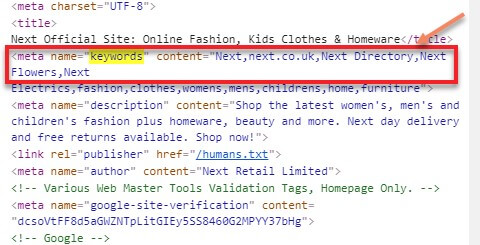
The meta keywords attribute refers to a series of relevant keywords used in a particular webpage. A few years ago, this meta tag was a handy SEO tool. Marketers who wanted to attract more traffic and page views would employ keyword stuffing and incorporate irrelevant yet trending keywords in their web content. When Google discovered that the meta keywords attribute was being abused in this manner, it immediately devalued the meta tag. As a result, you’ll need to do more than use the right keywords in your recruitment site and career pages to rank well on Google. 


2. Title tag


Title Tag image


The title tag is the line of text you’ll see on top of your web browser. You should include relevant keywords in your title tags because search engines treat them as the title of your webpages. For this reason, the title tag is often considered the most important meta tag. 

Apart from helping you optimise your site for search engines, the title tag also allows you to improve your web visitors’ overall user experience. It enables visitors to navigate your website quickly and differentiate one webpage from the others. 


3. Meta description attribute


Meta Description image


The meta description attribute is a vital meta tag as it helps both users and search engines determine what your webpages are all about. It provides a summary of the contents of a specific webpage. If you’re wondering what it looks like, the meta description is that tiny block of text that appears on Google, along with the title and link to your webpage. 

Here’s a quick note, though. Your webpages’ meta descriptions don’t always appear in SERPs. At times, Google will choose a snippet of text from your webpage and present it to users searching for related information. 

Despite this, meta descriptions can be quite useful when you want to attract more traffic to your site. For example, by writing a compelling description, it will be easier for you to pique the interest of both employers and candidates and convince them to click on the link to your site. Meta descriptions are even more potent when they contain the keywords a job seeker or employer used in their search query. 

By ensuring that your web and career pages have compelling meta descriptions, you are increasing your chances of receiving higher CTRs. In return, it enables you to obtain excellent rankings on Google, which helps you establish better brand awareness and greater online visibility. 

To make sure that all of your webpages have compelling meta descriptions, take a look at the following pointers:

  • Limit the length of your descriptions to a maximum of 160 characters.
  • Tell your audience exactly what they can expect when they visit your page.
  • Create inviting meta descriptions.
  • Don’t forget to include a call to action.

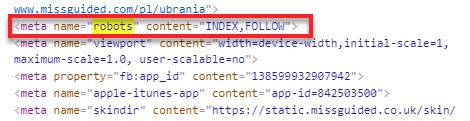
4. Meta robots attribute


Meta Robots image


Meta robots have one straightforward task: to tell search engine bots what to do with your webpages. There are two ways you can instruct Google search bots via the meta robots attribute: 

  • Index/no index – tells search engines to show/not show a webpage on SERPs.
  • Follow/no follow – lets search engines know if they should trust and “follow” the links found on a webpage or not. 


Don’t Neglect Your Meta Tags

Meta tags are essential to the success of your recruitment site. They tell both your target audience and search engines what your website is all about. They also help entice potential clients and candidates to click on your link. As discussed earlier, meta tags have four essential types. Knowing what their uses are can help you better optimise your tags for search engines. 

At Recruitment Traffic, we can help you optimise your meta tags and every part of your website for search engines such as Google. Please speak with us today to obtain the SEO solutions you need. 

Drive Your Recruitment Business Towards The Best Results.

Talk to us about how we can help.

20A-30 Abington Street, Northampton, Northamptonshire, NN1 2AJ

Bing SEM Expert Logo

Recruitment Traffic is a trading name of Situnario Ltd. © 2007 - 2021 Situnario Ltd. All rights reserved.

Google Announces May 2020 Core Algorithm Update

Google Announces May 2020 Core Algorithm Update

Google Announces May 2020 Core Algorithm Update

algorithm image

It is a widely known fact that Google loves fresh websites. In fact, sites that are updated frequently tend to receive better search rankings. This is primarily the reason why you should always keep your recruitment site updated.

Beyond receiving better search rankings, having a frequently updated website also helps you prepare for any adjustments Google will make to its search algorithms, such as the one it announced just a few days ago. Danny Sullivan, who serves as the search giant’s Public Liaison for Search, has recently confirmed that the new algorithm update was the second one for 2020. The latest update, which is called the “May 2020 Core Update,” was introduced on May 4. Sullivan’s confirmation came amidst the growing number of people wondering if Google would suspend its core updates because of the COVID-19 pandemic.

What is the May 2020 Core Update?

Similar to most of Google’s broad core updates, the May 2020 Core Algorithm Update is expected to affect search results in all countries and languages. As a result, websites in different parts of the globe are likely to experience an increase or decrease in search rankings in the coming days.

Fluctuations in search rankings are usually due to content relevancy. If something becomes more relevant right before Google changes its search algorithms, it will receive a higher search ranking. On the same token, if a piece of content becomes less relevant, it will be ranked lower.

The last time the search giant made significant adjustments to its core algorithms was in January. Back then, not many people were interested in coronavirus disease. However, everything changed when the World Health Organisation declared the disease as a global pandemic.

According to Google, COVID-19 was the most searched topic in its history, and it significantly changed the way people use the popular search engine to look for specific information online. Topics and search terms that weren’t considered relevant before are now relevant, while search categories that were popular before the outbreak are now receiving fewer searches.

For example, the number of search queries that focus on travel, entertainment, tourism, and live events had dropped dramatically. Meanwhile, search queries about COVID-19, businesses offering remote services, and online stores that sell daily essentials have increased considerably. Because of this trend, the May 2020 Core Update is likely to create significant changes to millions of websites. 

Bigger Demand for SEO Services?

With the way it changed people’s Google habits, the May 2020 Core Update is expected to be more volatile than the search giant’s previous core updates. For this reason, a bigger demand for professional SEO services is likely. Because recruitment firms and other businesses need to adjust their online marketing strategies to keep up with the changes caused by the Coronavirus pandemic, it certainly makes sense to enlist the assistance of SEO specialists like us at Recruitment Traffic. 

Google’s Tip for Recruitment Site Owners

Throughout the years, Google has offered the same advice for recruiters and business owners alike after a core algorithm update: make sure that their respective websites provide relevant content. It pointed out that there is nothing you need to fix if your search rankings would decrease because of the May 2020 Core Update.

However, you can prevent your site from experiencing the same thing after future updates. You have to provide your audience with the best piece of web content you can offer. Also, you have to make sure that it is of high quality and can fulfil the needs of your web visitors. You can check out Google’s guidelines to determine if your web content meets its standards. 

Always Prepare Yourself for Core Updates

Google has a reputation for improving its search algorithms when you least expected it. This is to ensure that users will receive the most relevant and most accurate search results possible. For this reason, you must always be prepared for a potential update from the search giant.

Our SEO experts here at Recruitment are more than happy to provide you with the help you need. With our optimisation services, you can be sure that your recruitment site is always ready for a Google core update. Contact us today!

Drive Your Recruitment Business Towards The Best Results.

Talk to us about how we can help.

20A-30 Abington Street, Northampton, Northamptonshire, NN1 2AJ

Bing SEM Expert Logo

Recruitment Traffic is a trading name of Situnario Ltd. © 2007 - 2021 Situnario Ltd. All rights reserved.

How to Recover Falling Recruitment Traffic

How to Recover Falling Recruitment Traffic

How to Recover Falling Recruitment Traffic

As a recruiter, you should drive as much web traffic as you can to your site. With more web traffic coming in, the more chances you have to generate leads. However, there may be times when you’ll experience a decline in traffic.

Experiencing a minor drop in web traffic is not a cause for panic. This is a regular occurrence since the number of people who visit your website daily is not constant. However, you should pay attention when there’s a sudden significant drop in recruitment traffic. This could indicate a penalty from Google or a technical issue on your website that you should fix as soon as possible.


5 Ways to Get Back Falling Recruitment Traffic

Fortunately, you can still recover after experiencing a sudden decline in web traffic. Follow these steps to bounce back on your feet.

1. Check if you have a Google penalty

Receiving a penalty from Google is one of the most common reasons for having a sudden drop in website traffic. More often than not, the search giant doesn’t explain why you have a manual penalty, but you can confirm if you have one by checking your Google Search Console for any notifications.

Receiving a penalty suggests that you’re using a black hat SEO strategy. It could also indicate that you have spammy or plagiarised content. Either way, make sure that you address the issue immediately so you can get rid of the penalty and recover your web traffic. If you’re working with an SEO specialist, discuss the strategies you’re using and ensure that they comply with Google’s rules.

2. Take a look at your backlinks

If you have segmented your traffic and see that there’s a noticeable drop in incoming referral traffic, you should give your backlinks a thorough look. There might be a few links that were lost, particularly if no traffic is coming in through a number of your webpages.

It can be difficult to recover lost backlinks. However, you might be happy to know that obtaining new ones is not rocket science. One way to do this is to update your old content with further information. For instance, if you have previously written a guide about passing job interviews, you may include new information or expound upon the topic to make it fresh and relevant. You can also republish or share it on social media, especially if the site or webpage that has been linking to that piece of content is no longer available.

3. See if you’re linking to bad sites

Similar to having spammy and plagiarised content, having links to and from spammy and shady websites can also get you into trouble. Whether it is unintentional or not, it sends a message to Google that you bought those links and are using black hat SEO to obtain more traffic for your recruitment site.

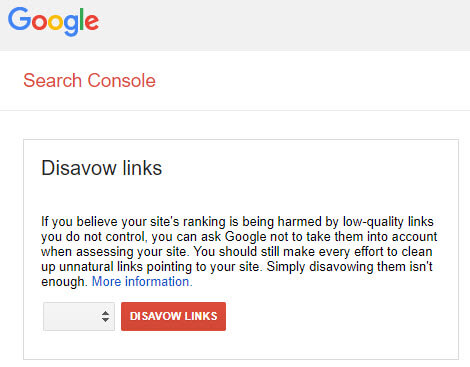
To fix this issue, remove those links as quickly as you can. Also, it would be best if you ask spammy websites to stop linking to you. If they refuse, you can  disavow the unwanted backlinks on your own. 

disavow links image

4. Check out your competition

Having a fierce competitor is another reason for having a sudden drop in recruitment traffic. If your traffic is dropping significantly, your competitors have likely offered your audience something better. For example, they probably uploaded a piece of content that is more informative and engaging than yours.

If you’re trying to rank for the same keyword the competition is ranking well for, you can shift your focus onto other keywords, especially the ones your competitor isn’t using. This should help improve your performance for the keyword you’re targeting. Another solution is to face your competitors directly, especially if you think you can win against them. However, make sure that you conduct a thorough study of the competition first. Also, ensure that you have enough resources to support a more aggressive SEO/PPC campaign.

5. Look up Google issues

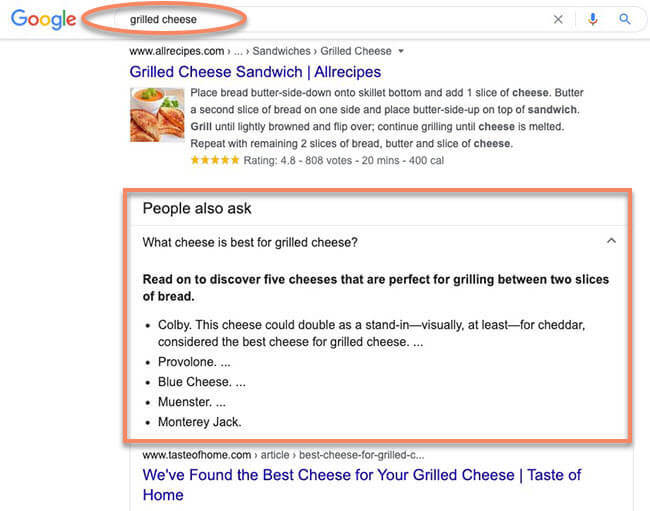
You might think that all is well when your content has a good search ranking and your main keywords have outstanding search volume. However, you can still lose traffic despite these excellent conditions. It could be because Google is showing a snippet of your content, particularly the part that answers a user’s question, on the search result page. Because of this, job seekers or employers don’t visit your site anymore since they already obtained the information they need.

This trend has become so common these days that the SEO community has already coined a name for it: the “no-click search.” Previous research revealed that no-click searches make up 49% of all Google searches. 


Google issues image


To encourage people to proceed to your site and not merely stop at the result pages, you should give your content a makeover. Consider creating more comprehensive material, such as research articles or blog posts, so they will be too long to show up and be read on search result pages.


Conclusion

A sudden drop in web traffic is often a big deal. However, the good news is there are steps that you can take to recover from this problem. When you see that your traffic dropped suddenly, don’t panic. Instead, keep a clear head and follow the solutions discussed above to overcome this hurdle.

If you need help recovering lost traffic, contact us at Recruitment Traffic. We have SEO specialists who can offer you the solutions you need.

Drive Your Recruitment Business Towards The Best Results.

Talk to us about how we can help.

20A-30 Abington Street, Northampton, Northamptonshire, NN1 2AJ

Bing SEM Expert Logo

Recruitment Traffic is a trading name of Situnario Ltd. © 2007 - 2021 Situnario Ltd. All rights reserved.