How to Improve Your Landing Page Conversion Rate

How to Improve Your Landing Page Conversion Rate

How to Improve Your Landing Page Conversion Rate

improve your landing page

Nothing is more disappointing than exerting all your effort into making landing pages for your recruitment site only to find them with low conversion rates. Indeed, having well-crafted landing pages is essential to your success as they help you transform job seekers and employers into clients. But how exactly do you ensure an excellent conversion rate for your landing pages? 

To help you out, we at Recruitment Traffic have put together a quick guide on how to improve landing page conversion rate so you can attract more leads or clients for your business. Here’s what you should do to obtain quality results from your recruitment landing pages. 

1. Identify existing problems

The first step to landing page optimisation is to diagnose potential problems contributing to your low conversion rates. This allows you to identify quickly the steps you need to take to boost your numbers, instead of wasting time and figuring out what you need to do to solve your problem. 

Besides Google Analytics, you can use a variety of tools to determine potential issues. They include: 

a. Heat map

In a nutshell, a heat map shows you which part of your landing page is getting clicks from your visitors. Let’s say your call to action (CTA) button doesn’t get as many clicks as a less important page element, such as a stock photo. In that case, you will need to make the necessary adjustment to prevent visitors from getting distracted. 

b. Scroll map

As the name implies, a scroll map indicates where scrolling activity is taking place on your landing page. If there are a significant number of white or blue areas on the map, it means your visitors are leaving quickly or scrolling past a particular section. On the other hand, red, yellow, and orange areas on the map signify people stopping to look and read. 

c. Confetti report

A confetti report tells you which part of the page is receiving individual clicks. 

d. Overlay report

An overlay report lets you know the click percentage that each page element receives. 

2. Tweak your message

One common reason why landing pages don’t convert is poor messaging. If your content doesn’t resonate with your target audience, you are less likely to convince them to take your desired conversion action. Therefore, you should tweak your messaging. Create content that lets job seekers and employers know that you understand their pain and, thus, can solve their problem.  

When writing content for your landing pages, make sure to: 

  • Know who you are talking to. Research your audience well so it will be easier for you to understand their “pain points” and offer the necessary solutions.
  • Speak directly to your readers by using “you” and “your.”
  •  Use action words.
  • Break up large texts into smaller paragraphs to make your content more readable.
  • Focus on the benefits of your recruitment services instead of their features.

3. Use a more simple design

For many of those who want to know how to improve landing page conversion rates, one of the things they want to do successfully is to prevent web visitors from being easily distracted. You might be surprised to find out that there’s a quick way to accomplish this task: simplifying page design. 

Removing unnecessary page elements, such as irrelevant stock photos and other objects designed to improve the landing pages’ aesthetics, can significantly reduce visual clutter. More importantly, it increases the chance of your prospects taking your desired conversion action because there’s nothing on the page that will distract and prevent them from doing so. 

4. Place important details “above the fold”

A recent Danish study revealed that most people have a shorter attention span because of the sheer amount of information we are consuming every day. Therefore, to keep your visitors interested in your offer long enough for them to take your desired conversion action, you should keep essential details “above the fold.” Design your landing page in a way that your visitors won’t have to scroll down to access vital landing page elements. 

However, keeping important stuff above the fold has become quite a challenge these days, especially with more people using mobile devices to access the Internet. Fortunately, a scroll map can help you identify where the average fold is located on various mobile devices, thus, ensuring that your headline, CTA, and other vital page elements are in prime position. 

5. Make your CTA button stand out

To boost your conversion rates, ensure that your CTA button is noticeable and enticing. Also, it should be clear, concise, and straightforward. As much as possible, avoid using fancy language or confusing offers to get the best results. 

For instance, if you want job candidates to join your mailing list, a simple “Sign Up Now” would suffice. Similarly, the phrase “Download Now” can help encourage employers into giving you their email address in exchange for the recruitment e-book you’re offering. 

Start Creating Better Landing Pages

Indeed, landing pages can contribute to the growth and success of your recruitment business. When crafted correctly, they can help you attract more leads and find potential clients. This is why you should consider the tips discussed above to boost the performance of your landing pages. 

At Recruitment Traffic, we can provide you with landing page optimisation solutions to help you generate more traffic and leads to your recruitment site. Speak with us today and let our team of online marketing experts create a bespoke plan just for you.

Drive Your Recruitment Business Towards The Best Results.

Talk to us about how we can help.

20A-30 Abington Street, Northampton, Northamptonshire, NN1 2AJ

Bing SEM Expert Logo

Recruitment Traffic is a trading name of Situnario Ltd. © 2007 - 2021 Situnario Ltd. All rights reserved.

5 Keyword Research Mistakes Recruiters Should Avoid

5 Keyword Research Mistakes Recruiters Should Avoid

5 Keyword Research Mistakes Recruiters Should Avoid

Keyword research mistake

It can’t be stressed enough how important it is to make keyword analysis/research the foundation of your digital marketing strategy. Whether you’re trying to generate more organic search traffic through SEO or obtain more leads with PPC advertising, you should always start your campaign with a thorough study of your main keywords. By having a good grasp of the keywords you want to target, it will be easier for you to create content that matches your audience’s needs and win higher Google rankings.

However, many recruiters don’t like performing keyword research. Many marketers and business owners also share the same sentiment. It is because researching keywords is one of the most challenging SEO tasks there is. While it is indeed challenging, it doesn’t mean that you shouldn’t do it. Analysing the keywords you want to rank for can help you create more effective marketing strategies. At the same time, it gives you a glimpse into the search habits of candidates and employers.

Keyword Research Mistakes You Shouldn’t Make

When doing keyword analysis, you’d want to commit as few mistakes as possible. By avoiding crucial mistakes, you can maximise your time and effort. More importantly, it helps improve your chances of achieving success. Here are the mistakes that you should avoid when researching and analysing your keywords.

1. Ignoring search intent

It’s vital to examine what motivates your target audience to look up specific information online. This can help you position yourself exactly where job seekers and employers are looking. To get the best results possible, therefore, you should never disregard your audience’s search intent.

Also called keyword intent, search intent is what a user wants to achieve when they perform a particular search query. Understanding search intent is now more critical than ever, especially with Google’s recent algorithm update. It helps you understand what your audience is looking for when they use search engines. When you possess such vital knowledge, it is much easier for you to create content or ads that match what your audience wants. As a result, you’re more likely to drive quality traffic to your site.

2. Ignoring SERPs

Never disregard search engine result pages or SERPs. If you do, you might be unable to see what sort of content is ranking well for your target keywords. 

At times Google offers users content that doesn’t match what you have for a keyword you want to rank for. For instance, let’s say you’re targeting the keywords “job interview.” To help candidates, you have written a thorough guide on how they can ace one. However, instead of showing your post on the search result page, Google offers links to companies providing coaching services for job interviewees.

To avoid such a scenario, you shouldn’t focus too much on the research tools you’re using. It would help if you also studied SERPs to determine the types of content that work well for the keywords you want to target.

3. Putting too much emphasis on search volume

While it is beneficial to rank for keywords with the highest search volume because it helps you attract a considerable amount of web traffic, this strategy doesn’t always work. At times, it may not be even good for your business, especially if you’re using PPC.

To get better results, you should determine the other factors that can affect your content significantly. For example, instead of focusing too much on keywords with high search volume, you should identify the search queries your audience is using to find you online. This should help you determine what sort of content you should create to better provide for their needs.

4. Disregarding long-tail keywords

When performing keyword analysis, don’t put too much emphasis on general or broad-match keywords. It would be best if you also targeted long-tail keywords. While long-tail keywords often have lower search volume, they can help you create more relevant and accurate content for your audience.

Also, you are more likely to create conversions when you use them on your content or ads. It is because users who utilise long-tail keywords in their search queries are often at the final stages of the sales funnel. This means that they are more ready to sign up for your services than those who utilise general keywords.

Another benefit of long-tail keywords is that they are less competitive, so it wouldn’t be too difficult to rank for them. They are also more likely to match your audience’s search queries, making candidates and employers trust you more. The more audience trust you have, the bigger the chance your leads will come back later on to enlist your recruitment services.

5. Adding keywords after creating content

Never make the mistake of adding keywords to existing content. Remember, you should conduct keyword research before creating content, not after. Otherwise, it would be not very easy to craft quality content that matches your audience’s needs. It also makes it more challenging to rank well for the keywords you want to target. 

Always Remember the Importance of Keyword Research

Performing keyword analysis is a must if you want to acquire more web traffic and leads. Regardless of your online marketing strategy, ensure that you research and understand your main keywords well to maximise your results. Also, see to it that you avoid the mistakes mentioned above so you won’t waste your time and effort.

Are you having a hard time performing keyword research? We can help. Contact us today at Recruitment Traffic and let us lend you our expertise.

Drive Your Recruitment Business Towards The Best Results.

Talk to us about how we can help.

20A-30 Abington Street, Northampton, Northamptonshire, NN1 2AJ

Bing SEM Expert Logo

Recruitment Traffic is a trading name of Situnario Ltd. © 2007 - 2021 Situnario Ltd. All rights reserved.


What Are the Vital SEO Trends for 2021 Recruiters Must Know?

What Are the Vital SEO Trends for 2021 Recruiters Must Know?

What Are the Vital SEO Trends for 2021 Recruiters Must Know?

SEO 2021

As a recruiter, there’s a simple truth about SEO that you should always keep in mind: it is ever-changing. With Google known for updating its search algorithms several times a year, you should always stay on top of your game to achieve online success. 

Because the rules are always changing, it certainly helps to pay attention to SEO trends for 2021. Knowing what you can expect this year enables you to create more effective strategies that will provide you with better results. 

To help you out, here are some key SEO insights you should know about in 2021: 

1. Search intent and demand are flexible

Understanding search intent is an integral part of SEO. By knowing what motivates candidates and employers to perform specific search queries, you can create more relevant content and provide them with a better web experience. 

A recent report revealed that search intent and demand are more flexible or fluid than initially thought. Due to the on-going pandemic, search volume and interest regarding a specific query could rise or fall almost overnight. What’s more, Google has learned to adjust its search results to match user intent quickly. 

So what does this mean? With search intent and demand more “volatile” than expected, you need to make a few changes to get better results from your SEO strategy. These include: 

  • Diversifying your online marketing strategies instead of focusing on only one marketing channel.
  • Being flexible by knowing how to take advantage of opportunities and finding one when there is none.
  • Keeping track of search behaviour and modifying your strategies accordingly.
  • Paying close attention to search interests through Google Trends, which can help you identify topics that are popular and relevant to your clientele. 

2. Bigger role of local SEO to your success

The global pandemic affected many small and medium-sized businesses in different parts of the UK. Due to lockdowns and social restrictions, many business owners learned how to be creative to ensure their survival. 

If you want to stay in touch with your clients despite the various social restrictions in place, you should optimise your recruitment site for local SEO, which is one of the biggest SEO trends for 2021. To get started, make sure to claim your Google My Business (GMB) page if you haven’t yet. In case you already have a GMB page, ensure that it is highly optimised. Also, don’t forget to list all the essential details about your recruitment business, particularly your contact details and operating hours. 

Additionally, there are new GMB features that you can take advantage of to make your listing more attractive. They include: 

  • Call buttons in the local knowledge panels
  • A field for online operating hours
  • A field for online appointments

3. AI has more impact on SEO

It seems that artificial intelligence (AI) will have a more prominent role to play in SEO. A few years ago, Google introduced RankBrain, a component of the search giant’s core algorithm that utilises machine learning to provide users with more accurate search results. Senior Google scientists Greg Corrado, who was also one of the people who developed RankBrain, revealed in a previous interview that the AI algorithm has a unique ability to determine people’s search habits. What’s more impressive is that this ability could only get better over time. 

With AI playing a more significant role in how Google determines a website’s search ranking, it makes perfect sense that your recruitment site is optimised for RankBrain. You can do this by: 

  • Improving overall user experience.
  • Offering engaging, valuable, and well-organised content.
  • Enhancing your click-through rate. 

4. Increased usage of voice search

Voice-based innovations, including Amazon’s Alexa, Apple’s Siri, and Google Assistant, have grown in popularity over the last few years. Because of this, many tech experts believe that voice search is likely to become more widespread, affecting more search queries in 2021 and beyond. 

A report released in 2017 showed that by 2022, the percentage of households that own a smart speaker would climb to 55%. For this reason, you must ensure that your recruitment site is prepared for one of the biggest SEO trends for 2021 by: 

a. Using ‘question’ and natural-sounding keywords

Make sure to consider the keywords you want your site to rank for. You can start by using longer and more natural-sounding keywords since people tend to use longer phrases in their day-to-day conversations. You can also consider search terms that are phrased similarly to a question. 

For instance, suppose you’re targeting the keyword “engineering jobs.” In traditional search, you can target the search term “engineering jobs in Northampton.” But if you’re trying to optimise your site for voice search, you can phrase your target keyword like this: “Where can I find engineering jobs in Northampton?” 

b. Re-arrange your web content

Make the necessary changes to your web content to make your recruitment site more voice search-friendly. A good strategy is to add question-and-answer type content to your website. For example, you can include FAQs or frequently asked questions in your service or career pages since they utilise question keywords. 

Strengthen Your SEO Strategy in 2021

Because SEO is ever-changing, it’s vital to be aware of the adjustments you need to make to ensure your recruitment site’s competitiveness. Therefore, you should keep track of the latest SEO trends so you can stay updated and always be ready for any challenges that might come your way. 

Do you need help with generating quality traffic and leads to your recruitment site? At Recruitment Traffic, we can provide you with the SEO and Google Ads services you need to help ensure the growth and success of your recruitment business. Contact us today and let us create a bespoke online marketing plan just for you.

Drive Your Recruitment Business Towards The Best Results.

Talk to us about how we can help.

20A-30 Abington Street, Northampton, Northamptonshire, NN1 2AJ

Bing SEM Expert Logo

Recruitment Traffic is a trading name of Situnario Ltd. © 2007 - 2021 Situnario Ltd. All rights reserved.

What is Google Analytics 4 and Why Recruiters Should Care?

What is Google Analytics 4 and Why Recruiters Should Care?

Google Analytics tool is a huge help when it comes to improving the performance of your recruitment site. It tells you which part of your website needs adjustment so you can provide visitors with better user experience. Aside from that, it also gives you a glimpse into the online behaviour of your prospects.

Just recently, Google announced that it had released a new version of Analytics called Google Analytics 4 (GA4). So what is Google Analytics 4 exactly? Basically, it’s the latest iteration of the search giant’s free web analysis tool that offers new and powerful features designed to help recruiters and business owners like you obtain a higher return on investment from your online marketing campaigns.

Check Out Analytics’ New and Powerful Features

Now that you know the answer to the question “What is Google Analytics 4?” the next thing you need to know is what makes it different from its predecessors. According to Google, GA4’s new features are added to help marketers and business owners make better online marketing decisions. They are:

  •     AI-powered predictive insights
  •     Deeper integration with Google Ads
  •     Better reporting and cross-device measurement
  •     More granular data controls 

1. Better AI-powered predictive insights

As you may know, Google Analytics already offers AI-powered insights. However, its newer version took things to the next level. GA4’s machine-powered predictive insights can send you automatic alerts about useful data trends, including increasing demand for the services you are offering online.

Besides these automatic data trend alerts, GA4’s more improved insights also allow you to predict outcomes, including potential revenues you can earn from a particular segment of your audience. This capability can help you foresee actions your prospects might take, thus, allowing you to determine which part of your audience you should focus on. 

2. Deeper integration with Google Ads

Running Google Ads is an effective way to target both candidates and employers since this marketing platform enables you to create tailored ads for specific groups of people. If you’re using this platform to promote your recruitment services, you’ll be happy to know that it is now deeply integrated with the latest version of Analytics.

Here’s how it works. For instance, let’s say a job seeker qualifies for your audience list because they performed a job search online. Then, they found your site and signed up for your services. To make sure that you won’t retarget that particular candidate with your Google Ads later on, GA4 will automatically update your audience list to remove their name.

Besides Google Ads, GA4 will also start providing more in-depth reports on actions taken from YouTube engaged views that occur within the video-sharing platform’s app or web version. 

3. Improved reporting and cross-device measurement

Unlike its previous version, Google Analytics 4 has a more organised reporting system. In a recent interview, Google Analytics Group Project Manager Russell Ketchum revealed that they had reorganised all GA4’s reports around the “customer lifecycle.” They also make several additions to the platform’s reporting capabilities.

GA4 can help you develop a better understanding of your audience’s journey. For example, the acquisition report can help you pinpoint the channels that are bringing you more leads. Then, using the engagement and retention reports, you can identify the actions your prospects are taking before and after you convert them into clients.

GA4’s improved reporting system can also provide you with a more holistic view of how your prospects interact with your business when using different channels and devices. You can provide your user ID or let Google Signals duplicate users across various devices. 

4. More granular data controls

With the introduction of data regulations in various parts of the world, such as GDPR and CCPA, site owners must now be extra careful when obtaining and handling the personal data of their web visitors. Fortunately, Google Analytics 4 has made it easier for recruiters and business owners like you to comply with the rules. 

a. Consent mode

GA4’s consent mode is designed specifically for websites that are required to seek permission from their visitors before they can gather analytics data. Also, it allows you to create separate consent opt-ins for your Google Analytics and Google Ads.

b. Data deletion

The previous incarnation of Google Analytics already has data deletion capabilities. With the latest version, however, the search giant has made more improvements. For instance, GA4’s data deletion feature has a preview mode that lets you see and confirm the data you want to delete before proceeding with the action. This enables you to comply quickly and easily with deletion requests from your visitors without having to get rid of unnecessary data.

Meanwhile, Google said we are likely to experience data scarcity in the coming years since third-party cookies are slowly becoming out of style. Therefore, the search giant said it would utilise machine learning to ensure that Google Analytics will continue to provide all the vital information marketers, recruiters, and other business owners need to get better ROI. 

Want to Switch to the New Google Analytics?

You can still use the old Analytics if you want. However, Google is encouraging everyone to give GA4 a try and run it in parallel with its predecessor to get more accurate data. Meanwhile, if you’re going to set up a new website or any other web property, GA4 will become your default web analysis platform.

If you want to switch to the newer version of Analytics and take it for a spin, we can help. At Recruitment Traffic, our award-winning team of SEO and Google Ads experts can provide you with the assistance you need to take advantage of the opportunities Google can offer. Contact us today and let us help you obtain high-quality traffic and leads to your recruitment site.

Drive Your Recruitment Business Towards The Best Results.

Talk to us about how we can help.

20A-30 Abington Street, Northampton, Northamptonshire, NN1 2AJ

Bing SEM Expert Logo

Recruitment Traffic is a trading name of Situnario Ltd. © 2007 - 2021 Situnario Ltd. All rights reserved.

Google Algorithm Update for December 2020 Released

Google Algorithm Update for December 2020 Released

Google Algorithm Update for December 2020 Released

Google Algo Update image

Just as many online marketers and website owners, including those in the recruitment business, thought that 2020 would end without further incident, Google made a recent announcement that shocked many. Just early this month, the search giant confirmed that it rolled out a major search algorithm update. What’s more, data showed that this update is considerably more prominent than the one Google released in May.

Because of the many challenges we faced this year, most of us are already looking forward to welcoming the new year. As a result, not many of us anticipated the release of the Google algorithm update for December 2020. The search giant confirmed that the update is massive and can take up to two weeks to take full effect.

Called the “December 2020 Core Update,” it is the third major algorithm update of the year. Similar to its predecessor, the May 2020 Core Update, and all of Google’s broad core updates, it affects search results in all countries and languages.

What’s the Deal with the New Core Update?

Animals Icon image

Unlike with other major search algorithm updates, it took Google almost seven months before it rolled out the December 2020 Core Update. In most cases, the search giant would confirm an update within three months. For instance, the first core update of 2020 was in January. Then, the second one was released in May.

Another issue many marketers and business owners have with the December update is the timing of its release. With the holiday season just a few days to go, most of them are concerned that the update would have a negative impact on their business. After all, core updates are infamous for causing fluctuations in search rankings.

The update’s size is also another primary concern, and as a recruiter, this is something you should pay close attention to. Its predecessor, the one rolled out in May, is already big and broad enough. It took a couple of weeks before it was completely rolled out. It was also more volatile than the core updates that Google released in the past. However, studies confirmed that the December 2020 Core Update is much bigger and more volatile than the May version.

A RankRanger research showed that compared to the May update, the Google algorithm update for December 2020 brought about more changes in search rankings in specific niches. These changes are more noticeable in the top three search results. Fluctuations in the top 20 positions on Google search result pages are also many, recording twice the number of those observed in May.

SEMRush, meanwhile, revealed the industries that were significantly affected by the update. For desktop searches, they include:

  • Health
  • Travel
  • Finance
  • Law
  • Real estate
  • Government

The impact of the December update on mobile searches is particularly alarming for those in the recruitment sector. The SEMRush research showed that there are noticeable fluctuations in the jobs and education sector. Aside from them, the update also hit the following niches:

  • Health
  • Real estate
  • Pet and animals
  • Law
  • Government

Searchmetrics had the same findings as SEMRush. Their data revealed significant changes in search rankings in areas or niches involving E-A-T and content, including health, music, finance, news, and, eCommerce.

Meanwhile, the SEO community is buzzing with chatter because of Google’s surprise. Several online marketers claimed that they had lost more than 40% of their organic traffic since the December 2020 Core Update was announced. Some, however, are not as unlucky. They said that they recorded 150% traffic growth with the update.

What Recruiters Should Do

Google update image

Google’s advice after a major algorithm update remains the same. The search giant stressed that there’s nothing you should do if you notice a dip in your search ranking. It pointed out that a decline in search rankings is not an indication of a severe problem with your website.

While this may be the case, Google does not discourage everyone from taking necessary actions if they experience a decline in search ranking or web traffic. If you think your recruitment site has been hit by the Google algorithm update for December 2020, the search giant offers a list of questions you can use to evaluate your site. Also, you should take a good look at your web content to ensure that:

  • It contains information, research, or analysis you didn’t copy anywhere.
  • It provides a thorough explanation of your chosen topic.
  • It doesn’t contain plagiarised content.
  • It is the type of content you’d want to bookmark or share with others.
  • It doesn’t contain exaggerated, sensationalised, or “clickbait-y” headlines.

If you have made certain adjustments to your recruitment site to recover lost traffic, you don’t have to wait long to see the fruits of your labour. Google said the results of your efforts are immediate. You don’t have to wait until the next broad core update to see improvements in your web traffic or search rankings. 

The search giant also reiterated its advice regarding preparing for core algorithm updates in the future. To avoid taking a massive hit, make sure that your recruitment site offers only high-quality content. Also, ensure that your web content is relevant and can help fulfil the needs of job seekers and employers.

Is Your Recruitment Site Ready for Future Google Updates?

As you may know, Google has a track record for being secretive regarding the exact schedule of its search algorithm updates. This is why it is best to take a proactive approach than to be caught unaware and unprepared. Ensure that your recruitment site complies with Google’s rules and, more importantly, offers SEO-friendly content relevant to your audience’s needs. 

Are you worried that Google’s latest core algorithm update would hurt your web traffic and search ranking? We can help. At Recruitment Traffic, our team can provide you with the SEO solutions you require to prepare your site for Google’s algorithm updates. And if you think the December 2020 Core Update had hurt your recruitment site, we are more than happy to assist you. Please contact us to receive award-winning recruitment SEO services.

Drive Your Recruitment Business Towards The Best Results.

Talk to us about how we can help.

20A-30 Abington Street, Northampton, Northamptonshire, NN1 2AJ

Bing SEM Expert Logo

Recruitment Traffic is a trading name of Situnario Ltd. © 2007 - 2021 Situnario Ltd. All rights reserved.

10 Tips for Boosting Your Local SEO Recruitment Campaign

10 Tips for Boosting Your Local SEO Recruitment Campaign

10 Tips for Boosting Your Local SEO Recruitment Campaign

Boost image

If you’re a recruiter operating on a regional level, it makes sense to focus more on local SEO. This means prioritising and improving your visibility in local search engine result pages or SERPs. Similar to when you’re optimising your site for national searches, you’ll need to attract clients and make candidates aware of your job offers. However, your SEO efforts should be directed at a smaller audience.

If you’re not convinced, consider this 2017 study that around 35% of all search traffic is local. You could be losing business by ignoring potential clients near you. So better start optimising your local SEO now. 

1. Creating or updating your GMB account

gmb account image

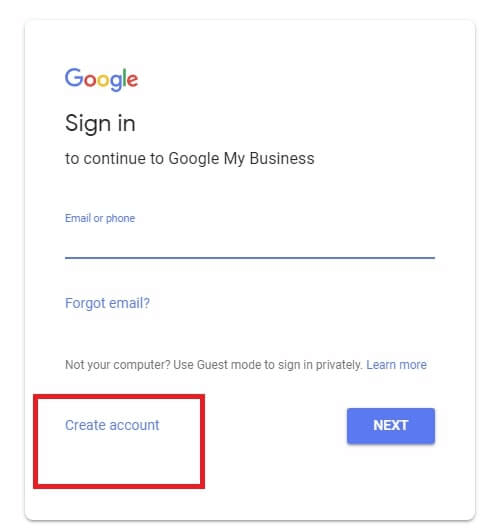
Google My Business (GMB)  is free and an excellent way of advertising your business location with Google. Having a GMB listing also means that your company appears on Google Maps or any related directories. Furthermore, once the search engine verified your recruitment agency as legitimate, it could appear in any relevant searches.

To enhance your GMB, make sure to:

  • Confirm the listing
  • write accurate and up-to-date details.
  • Incorporate all the useful information about your business, such as office hours, type of recruitment service and job offers, logos and high-quality images.
  • Write a sincere response to the reviews.
  • Consider using Google Posts for writing content on your GMB account.

2. Obtaining favourable reviews from satisfied clients and candidates

positive reviews image

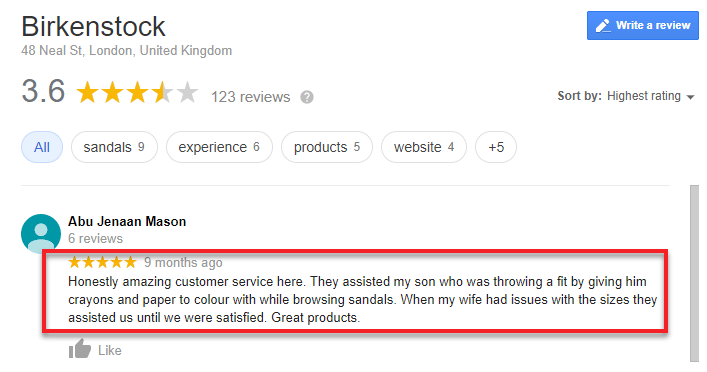
The positive reviews you receive will undoubtedly enhance your GMB presence. Most importantly, such feedback also encourages more clients and candidates to avail of your services. A 2017 consumer review found out that around 85% of online users consider the reviews equivalent to recommendations.

Here are some ways on how you can encourage a client or candidate to write a review:

  • You can ask clients or candidates in person to leave a review once the hiring process has been successfully concluded.
  • You can send an email later asking for a review, but only after ensuring that you’re reaching out to a client or candidate satisfied with your service.
  • Make sure that you respond to reviews favourable and in a professional manner.  Thank them and address any complaints.

3. Getting ready for voice search

With more people using voice search, Consider adding such a feature in your local SEO.  Make it easy for your target audience to ask questions through speech rather than typing in their queries.

When searchers use voice search, they often use long-tail keywords more. Therefore, consider adjusting your content so it will feature a more conversational tone. For instance, you can write your content in a way that it can easily deal with the following typical questions starters:

  • Who
  • What
  • Where
  • When
  • Why
  • How

When optimising for voice search, you’ll also need to take into account the user’s intent. Most voice searches are done to find specific pieces of information. For instance, if a candidate is looking for a job near their location, they will expect a quick and helpful reply. So if a potential client uses voice search and asks for your office location, the website should provide a ready answer.  

4. Generating content from local news and events 

Writing content regarding local issues are effective SEO tactics for grabbing the attention of potential clients or candidates. As such, consider incorporating specific types of content such as:

  • Blog posts covering local news or events
  • Videos about the charities or causes that your agency supports

5. Optimising your site for mobile

Studies have shown that visits from mobile devices are increasing while those from desktops are decreasing steadily.  A 2017 survey also showed that three out of four mobile searches with local intent produced a positive result within 24 hours.

To have a mobile-friendly website:

  • Make sure that it doesn’t take more than three seconds for your site to load. Use fonts that are big enough and easy to read.
  • Convey only the essential information and use images only when necessary provide excellent user-experience (UX)  by designing an intuitive user interface (UI).

6. Focusing on local keywords

It makes sense to focus on keywords that local clients and candidates find relevant. You can use tools, such as Google Keyword Planner, to see the words and phrases used commonly in a particular location. Once you identify the relevant local keywords, make sure that they are incorporated in your site’s content, including:

  • URL
  • Meta content
  • Copy

7. Using location-specific pages

If you have more than one office or place of operation, you’ll need a separate location page. for each of them. Include the following details in your location pages:

  • Office hours
  • Business name, address, and contact number
  • Individual description
  • Reviews or Testimonials
  • Google map for each office

If you have only one office, create an ‘About Us’ page that provides key details about your business. . For instance, you can mention that your recruitment office is near a local university or is located in the centre of a business district. 

8. Gaining visibility from online directories

online directories image

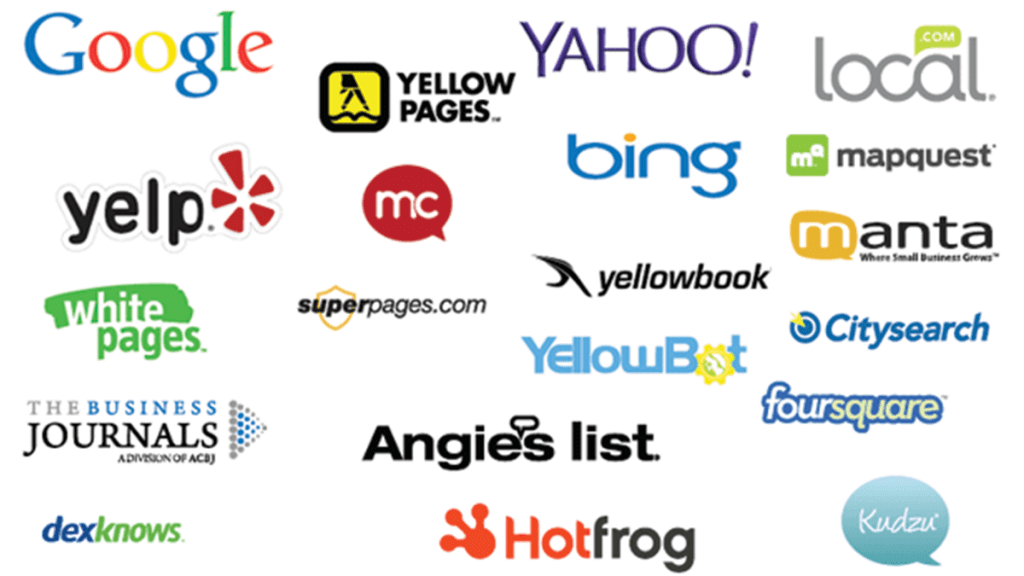
Online business directories can help your recruitment firm gain local visibility. Consider listing your business name, address, and contact numbers in local listings, such as Foursquare, YellowPages or any directories widely used in your area. Also, make sure to include a backlink to your website and a thorough description of your recruitment service.

9. Concentrating on quality backlinks rather than quantity

When building links, it’s better to focus on quality since it can boost your local SEO effort. To obtain the best backlinks, consider:

  • Writing high-quality content that can convince other sites to link to it
  • Send guest blogs on sites that enjoy a high reputation and domain authority
  • Engage local influencers on social media and encourage them to link back

10. Creating dedicated web pages for each job offers 

It can be tempting to lump all your available job offers in a single page. However, such a tactic may weaken your local SEO effort. Google may assign a lower rank to your site because it seems that you’re not an authority in any particular area. If you only have a specific niche but have multiple regions, you can use location-based content for each page.  For example, ‘bookkeeper’ can become ‘London bookkeeper’ or ‘Birmingham bookkeeper.’   

Take away

Local SEO is evolving quickly. Search engines, such as Google, can announce new features that can affect the local SERPS. It’s only a matter of time so better be prepared for the coming changes. By taking advantage of the local SEO strategies discussed above, you can boost your website’s local search ranking. Also, it helps prepare your recruitment business for any upcoming changes to Google’s search algorithms.

If you require some guidance on what kind of SEO action to take, consider reaching out to us here at Recruitment Traffic. We can help your recruitment website obtain excellent local search rankings. 

Drive Your Recruitment Business Towards The Best Results.

Talk to us about how we can help.

20A-30 Abington Street, Northampton, Northamptonshire, NN1 2AJ

Bing SEM Expert Logo

Recruitment Traffic is a trading name of Situnario Ltd. © 2007 - 2021 Situnario Ltd. All rights reserved.