What Recruiters Must Know about the Google MUM Algorithm Update

What Recruiters Must Know about the Google MUM Algorithm Update

What Recruiters Must Know about the Google MUM Algorithm Update

MUM Algorithm Update

Are you aware that Google has released yet another AI-powered search algorithm? The MUM algorithm update is a thousand times more powerful than the previous BERT update, which was released in 2019. But what makes this specific algorithm update different from its predecessors? And why recruiters like you should care? 

Dissecting the Google MUM Update

Launched in June 2021, the Google Multitask Unified Model or MUM update aims to provide users with an improved search experience by fulfilling modern search demands. It is designed in a way that users need not perform multiple searches to compare information and gain deeper insights into a particular topic. 

What makes Google MUM different from previous algorithm updates is that it can understand and provide search results based on textual content and data from images, videos, and audio content, such as podcasts. It can also understand 75 languages, which means it can gather and deliver results in different languages and from sources in other countries. 

The Importance of Google MUM to Recruiters

Based on numbers, the MUM update is visibly faster, farther-reaching, and more thorough than Google’s previous algorithm tweaks. Similar to BERT, it can interpret the meaning of words in a way humans can. However, it is far more capable than its predecessor because it can combine information from various sources and languages to answer more complex online queries. 

These qualities make Google MUM vital to recruitment companies wanting to expand their presence online. To ensure that the web content you’re offering will satisfy both Google and your target audience’s requirements, you must reinvent your current SEO strategies and do more than just produce content with the right keywords. 

How the MUM Algorithm Update Changes the SEO Game

Indeed, the MUM update is quite powerful, and it will undoubtedly benefit searchers and online marketers in many ways. For online marketers and business owners, such as recruitment businesses, it provides them with a better understanding of user intent. This enables you to create better and more audience-friendly content for job seekers and employers, boosting your online authority and credibility. 

On the other hand, the MUM update offers users more accurate and relevant search results. Job seekers and employers need not conduct multiple searches to find exactly what they are looking for. 

Besides the benefits mentioned above, Google’s latest algorithm update can also deliver other advantages. These include: 

1. Providing industry expertise and translation

Thanks to MUM’s ability to understand and find results in 75 languages, using Google in the future is similar to having your own expert and translator. The update allows Google to provide users with more localised and comprehensive information about a specific topic. What’s more, these added details are translated into a language they understand. 

Google MUM also provides recruiters like you with better access to international content. Although it means more competition for you, it enables you to gain more localised insights and responses from your audience. This can come in handy when creating new services and content, especially if you want to target foreign audiences. 

2. Answering complicated online queries

A thousand times more powerful than BERT, Google MUM certainly packs quite a punch as far as Google’s search algorithm updates go. It also uses the T5 text-to-text framework, which will give the search engine more processing power. Because of this, the search engine can now answer online queries that don’t have a straightforward answer. 

3. Providing more diverse content

Google MUM is significantly more intelligent and capable of understanding nuances than its predecessors. Thanks to the algorithm’s improved capabilities, search result pages will now feature more diverse yet relevant content. 

The recent update also makes it possible for users to find answers to comparison-style questions without doing multiple searches. For instance, let’s say you want to know the difference between London and New York City’s population. Typically, you’d have to research the cities individually. But with Google MUM, all you need to do is perform a single search. You can also receive other information that may be relevant to your search. 

Is Your Recruitment Site Ready for Google MUM?

Indeed, the MUM algorithm update can significantly change the way we use Google in the future. This is why if to ensure that your recruitment site will remain optimised for the search engine, you will need to make a few adjustments. 

1. Always create high-quality content

With Google placing more importance on user intent than keyword placement, it certainly pays more to continue developing web content your audience will find helpful and valuable. However, you should also look for opportunities to create tangential links. This will help ensure that your content will appear for comparison-type queries and related topics. 

2. Include other forms of media in your content

Make sure to incorporate images, videos, and audio files in your textual content, especially now that Google can better understand these media types. 

3. Incorporate multilingual SEO in your strategy

If you have plans to tap into foreign audiences, you should consider adding multilingual SEO to your overall digital marketing strategy. This should help your content go head-to-head against those written in other languages. 

4. Add structured data to your pages

The AI-powered Google MUM is expected to get stronger as it learns more from users’ search habits. This is why it helps to incorporate structured data into your web pages to help the search engine understand your content better. 

Always Stay Updated

As you know, Google wants to provide users with the best and most accurate search results. This is why the search giant is constantly tweaking its search algorithms, including launching the MUM update, to achieve its goal. As a recruiter, it would do you well to stay updated and follow Google’s lead. By making the necessary improvements, you can be sure that your recruitment site will remain Google-friendly. 

If you need expert assistance, our team at Recruitment Traffic will help ensure that your recruitment site is ready for Google MUM. Please get in touch with us so we can discuss how we may assist you. 

Drive Your Recruitment Business Towards The Best Results.

Talk to us about how we can help.

award logo 2022

20A-30 Abington Street, Northampton, Northamptonshire, NN1 2AJ

Bing SEM Expert Logo

Recruitment Traffic is a trading name of Situnario Ltd. © 2007 - 2021 Situnario Ltd. All rights reserved.

User Page Experience: Is Your Recruitment Site Ready for Google’s New Ranking Signal?

User Page Experience: Is Your Recruitment Site Ready for Google’s New Ranking Signal?

User Page Experience: Is Your Recruitment Site Ready for Google’s New Ranking Signal?

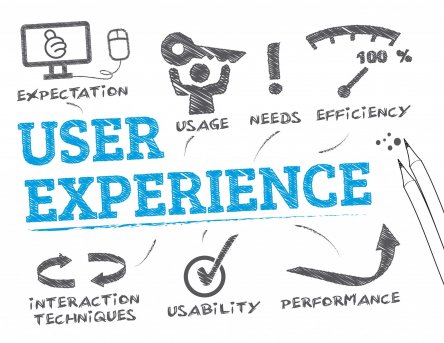
User Page Experience

Google utilises a wide variety of ranking factors to determine your recruitment site’s ranking on search result pages. For example, if your site is updated regularly or is optimised for mobile devices, it is more likely to have excellent Google placement. As a result, candidates or employers seeking recruitment services are more likely to find and trust you. 

It seems that another ranking signal will join the long list of ranking factors Google is currently using. Just recently, the search giant announced that starting in May 2021, it would begin analysing a site’s user page experience to determine its search ranking. This move is part of Google’s upcoming algorithm update. 

A Closer Look at Google’s New Ranking Factor 

Since Google will now be scrutinising how your visitors experience your webpages, you must know how to optimise your recruitment site for its new ranking signal. Although the search giant remains mum about all the signals it uses to determine a site’s search ranking, the good news is that it revealed recently the various factors that can affect the overall experience of a page. They are: 

1. Core web vitals

These are user-centred metrics that determine web usability. They include page loading speed, content stability, and interactivity. 

2. Mobile-friendliness

It measures the ease with which your visitors can navigate your site, read your content, and access your links through a mobile device. 

3. Safe browsing

It evaluates the measures you take to ensure the safety of your visitors when browsing your website. 

4. HTTPS

It stresses the importance of using HTTPS connection for your site. 

5. Non-intrusive interstitials

It determines how accessible your web content is when visitors land on your webpages.  

User Page Experience Optimisation Tips You Should Know 

To ensure that your website is ready for Google’s new ranking factor, here are the steps that you should take to optimise your recruitment site for the page experience elements discussed above: 

1. Preload key resources to cut back on visual loading times

To provide job seekers and employers with excellent user experience, you must ensure that your site’s Largest Contentful Paint (LCP), which measures loading performance, will take place within the first two and a half seconds of loading. To put it simply, visitors should see signs of your webpage loading 2.5 seconds after they land on it. 

To reduce visual loading times, you should preload your webpages’ LCP element and other above-the-fold content. This will tell browsers to prioritise these elements when your pages start to load, thus, assuring web visitors that they don’t have to wait long to find what they need. 

2. Reduce long tasks

Another way to minimise user waiting times is to reduce long tasks on your pages. Long tasks are pieces of JavaScript code that block the main thread from time to time, which causes your pages to lag and become unresponsive. 

To remedy this situation, identify your long tasks by going to Chrome DevTools. Then, under the Main tab, check the waterfall chart for items highlighted by a red triangle. Click on one of the long tasks and go into the Bottom-Up tab to seek the various activities under it. Splitting a long task and serving it in smaller snippets should improve your pages’ response rate and loading speed. 

3. Make your vital page templates more mobile-friendly

The upcoming algorithm update further stresses the importance of making your site mobile friendly. Therefore, to optimise your site for user page experience, ensure that it is accessible and usable when viewed on mobile devices. Regardless of screen size, visitors should be able to view your content without having to zoom in. 

You can use Google Search Console’s Mobile Usability report to determine your site’s usability and mobile-friendliness. Besides helping you determine if your site is optimised for mobile, it also enables you to identify issues you need to fix, such as content not fitting the screen or fonts that are too small. Meanwhile, if you want to check each page on your site, you may use Google’s Mobile-Friendly Test. 

4. Audit your site’s security

Conduct a security audit to verify if your site is vulnerable to security issues such as viruses, malware, and phishing. To start auditing your site, go to your Google Search Console and access the Security Issues report under the Security & Manual Actions. 

You should also ensure that you serve your content and other embedded resources through HTTPS. This is to prevent malicious third parties from stealing your visitors’ data. 

5. Prevent interstitials from taking up too much space

Somewhat similar to a pop-up, interstitials are webpages that you display on your site before a particular page. See to it that your interstitials aren’t too intrusive. Otherwise, they could put your visitors off and encourage them to leave. 

To ensure that your interstitials aren’t taking up more space than necessary, go to Chrome DevTools and use its screenshot feature. Review each page and see how the interstitials affect your visitors’ browsing experience. If there are problems, apply the necessary fixes ASAP.  

Is Your Site Optimised for User Experience?

Improving how your visitors experience each of your webpages is crucial to the success of your recruitment site. As such, be sure to consider the pointers mentioned above to ensure that your site is ready for Google’s new ranking signal. 

If you need help, we at Recruitment Traffic will provide you with expert optimisation solutions. Please speak with us today, and we’ll create an SEO plan tailored just for you.

Drive Your Recruitment Business Towards The Best Results.

Talk to us about how we can help.

award logo 2022

20A-30 Abington Street, Northampton, Northamptonshire, NN1 2AJ

Bing SEM Expert Logo

Recruitment Traffic is a trading name of Situnario Ltd. © 2007 - 2021 Situnario Ltd. All rights reserved.

A Recruiter’s Guide to Optimising for International SEO and Google Ads

A Recruiter’s Guide to Optimising for International SEO and Google Ads

A Recruiter’s Guide to Optimising for International SEO and Google Ads

international SEO and Google Ads.

Expanding into a different market is an effective way to ensure the growth of your recruitment business. By tapping into a whole new set of prospects, you’re increasing your chances of finding more leads to qualified candidates and employers who might require your services. 

But what should you do to help ensure your recruitment site’s success if you want to target audiences in foreign countries? You can start by optimising your recruitment site for international SEO and Google Ads. 

What is International SEO?

International SEO is the process of optimising your site for foreign search engines, audiences, and languages. While this may sound challenging, it is a worthy consideration to make, especially if you’re looking into branching out in other markets or you have a growing number of international web visitors. 

If you’re still on the fence about targeting foreign audiences, here are a few reasons why you should consider having an international SEO-friendly recruitment site: 

  • Google runs 192 search engines in different countries and regions.
  • Bing offers search results in 41 languages.
  • Baidu, China’s answer to Google, is the world’s second-largest search engine. 

The processes involved in international SEO may not be that different when optimising your site for local search engines. However, the most notable difference between international and local SEO is that instead of attracting traffic and leads from neighbouring cities or regions, you’re targeting prospects from other countries. 

How Do You Know If You Should Optimise for International SEO?

Targeting audiences from other countries is a serious undertaking. This is why you have to make sure that you are indeed ready. If you want to know if you should optimise for international SEO, see if there’s a significant portion of your visitors who are from other countries, speak different languages, or both. If this is the case, you should think about making your website international search engine-friendly.

It also helps to answer the following questions before you get started: 

  • Which country am I targeting?
  • Which language do I want to optimise my site for?
  • Can I create foreign-language web content regularly and consistently? 

Let’s say you want to expand your recruitment business to Spain. You probably think that the first thing you need to do is optimise your site for Spanish-speaking audiences. However, take note that the Spanish language is not exclusive to people living in Spain. Other countries in South America, such as Mexico, Argentina, and Chile, also have Spanish as their official language. Therefore, answering the questions above can help you identify the steps you need to take to achieve your goals. 

International SEO Tips to Help You Get Started

Similar to standard SEO, there are certain best practices you should implement to help boost your ranking on international search engines. Here are a few tips you should consider: 

1. Conduct an SEO audit

Before you start drawing up an SEO plan, make sure to run an audit of your recruitment site. An SEO audit will help you determine the current status of your website, including what needs to be improved and adjusted. By identifying your site’s strengths and weaknesses, it will be much easier to pinpoint the strategies required to make your site international SEO-friendly. 

2. Use the right country-code domains for your site

Make sure to choose the most appropriate country-code domain for your site, regardless of whether you want to establish an online presence in one or several countries. Also, keep in mind the following tips: 

  • If you have a regional audience, using a country-code top-level domain is recommended.
  • On the other hand, it’s best to avoid a country-code domain if you only have one recruitment site, but you want to target foreign audiences.
  • If you’re already serving international audiences, but you still want to establish an online presence in more countries or regions, consider using country-codes. 

3. Select the best URL structure

As with standard SEO, your site’s URL structure can also have an impact on your search ranking. As such, make sure to use the most appropriate one when targeting a specific country or language. Here are the different types of URL structures you can use: 

a. ccTLD

ccTLDs are URLs with two-letter codes that indicate the country or territory where the site is registered. Example: XYZRecruitment.uk 

b. Subdomain

Instead of creating a separate website for international audiences, you can set up a subdomain as an alternative. In a nutshell, a subdomain is a third-level domain where you can store content for foreign web visitors. Example: subdomain.XYZRecruitment.com. 

c. Subdirectory

In this URL structure, there is a specific subdirectory, folder, or root domain for your internationalised content. Example: XYZRecruitment.com/subdirectory. 

d. gTLD with language parameters

If you’re targeting foreign-language speakers, you can attach a URL parameter to your website’s domain name. Example: XYZRecruitment.com/?lang-eng-uk. 

4. Tailor your content for your audience

As with standard SEO, it’s vital to create tailored content for your target audience when optimising for international SEO and Google Ads. For starters, make sure your web content is in your prospects’ native language. You should also use the local currency, time zone, and other local information your audience will find useful and relevant. 

Optimise for International SEO

When venturing into other countries or territories, you must have a recruitment site that is tailored not just for international search engines, but for international audiences, as well. Not only will this make your site more relevant and appealing, but it can also help improve its search ranking and boost your chances of succeeding. 

If you need help making your recruitment site international SEO-friendly, we’re more than happy to assist you. At Recruitment Traffic, we can offer you bespoke SEO and Google Ads solutions to help you make the most of the opportunities Google can offer. Please speak with us today!

Drive Your Recruitment Business Towards The Best Results.

Talk to us about how we can help.

20A-30 Abington Street, Northampton, Northamptonshire, NN1 2AJ


Bing SEM Expert Logo

Recruitment Traffic is a trading name of Situnario Ltd. © 2007 - 2021 Situnario Ltd. All rights reserved.


Is Your Recruitment Site Ready for Google’s Link Spam Algorithm Update?

Is Your Recruitment Site Ready for Google’s Link Spam Algorithm Update?

Is Your Recruitment Site Ready for Google’s Link Spam Algorithm Update?

ink Spam Algorithm Update
Recruitment agencies need to have a strong link building strategy. Building links allows them to improve their online authority and increase their search rankings, which, in return, enables them to generate more traffic and enquiries. However, as with any SEO strategy, it’s essential to follow the rules and avoid abusing the system, especially now that Google has recently released its link spam algorithm update. 

Google Intensifies Campaign against Spammy Links

If your recruitment site has a significant number of outgoing and incoming links from partner websites, watch out. Google said it has rolled out what it calls the “link spam update“. According to the search giant, the algorithm update is part of measures to rid the web of spammy links and ensure that users have access to better and more accurate search results. 

Released on July 26th, 2021, the link spam update would affect global search results in multiple languages. Compared to previous updates, it is more effective at identifying and nullifying link spam. Folks at Google expected that the update rollout would take at least two weeks. As such, they warned site owners to expect fluctuating search rankings until the update takes full effect. 

Google’s link spam update primarily targets links from sponsored, guest, and affiliate content. Therefore, the search giant is urging site owners to mark these links with the appropriate rel values. It also emphasised the importance of avoiding shady link acquisition strategies and following Google’s guidelines against link schemes.

How to Optimise Your Recruitment Site for the Link Spam Update

If you want to avoid a potential penalty from Google, here are several pointers you should consider following the link spam algorithm update

1. For affiliate links

Affiliate links offer site owners the opportunity to generate additional income by allowing them to monetise their blogs or websites. To avoid being penalised by Google for having spammy affiliate links, site owners should qualify both manually and dynamically created affiliate links with the rel=”sponsored” tag. 

Google warned that inaction could have dire consequences. If site owners fail to qualify affiliate links appropriately, they could receive manual actions from the search giant. In case you didn’t know, when your recruitment site receives a manual action, some or all parts of your site won’t appear in Google search result pages. 

If the situation calls for it, Google may also lodge algorithmic actions against websites. Algorithmic actions also produce a similar effect that of manual actions. Either way, it could significantly hurt one’s search rankings and online visibility. 

2. For sponsored and guest posts

It is also a common strategy for site owners to publish sponsored and/or guest posts from other relevant websites. However, if you are considering publishing or already have published guest posts from other sites or partners in the recruitment industry, make sure they are of good quality. Also, check if they indeed provide value for your web visitors and not just link generating machines. Otherwise, your recruitment site might receive a penalty from Google. 

To avoid a manual or algorithmic action, you should apply the rel=”nofollow” tag to links in all guest posts on your site. If you have sponsored posts, check each link and mark it with rel=”sponsored”. 

3. Stay away from link schemes

Besides applying the appropriate rel values, you should also avoid link schemes that could hurt your recruitment site. Google has gotten more adept at identifying and nullifying link schemes, especially with the recent link spam algorithm update. Therefore, to avoid a potential decrease in search rankings and online visibility, you should never: 

  • Buy or sell links.
  • Provide free services in exchange for reviews with links.
  • Engage in excessive “link to me and I’ll link to you” exchanges.
  • Use automated programmes or services to create links.
  • Run a massive guest posting campaign and create content with keyword-rich anchor text links.

Instead of resorting to any of these link schemes, you should follow the best link building practices to avoid spammy links. 

Always Observe Good Link Building

Link building has always been an invaluable strategy for many recruiters. It allows them to establish themselves as a recruitment authority and increase their search ranking. At the same time, it enables them to generate a significant amount of referral traffic and leads. 

However, as with all online marketing strategies, it’s always important to follow the rules and observe good link building strategies to avoid Google penalties. Therefore, to sum it up, make sure to: 

  • Tag links in affiliate or sponsored posts with rel=”sponsored”; and
  • Mark link in guest posts with rel=”nofollow”. 

If you have no time to check your links and optimise your recruitment site for Google’s latest algorithm update, we at Recruitment Traffic are happy to do this task on your behalf. While we’re at it, we can also provide you with the services you need to generate more traffic and leads for your site. Please speak with us today, and let’s discuss how we may help you. 

Drive Your Recruitment Business Towards The Best Results.

Talk to us about how we can help.

20A-30 Abington Street, Northampton, Northamptonshire, NN1 2AJ

Bing SEM Expert Logo

Recruitment Traffic is a trading name of Situnario Ltd. © 2007 - 2021 Situnario Ltd. All rights reserved.

Attention Recruiters: The Latest Google Core Algorithm Update is Now in Full Effect

Attention Recruiters: The Latest Google Core Algorithm Update is Now in Full Effect

Attention Recruiters: The Latest Google Core Algorithm Update is Now in Full Effect

Google core algorithm update

It is no secret that Google has the biggest slice of the pie as far as popularity and the most number of users are concerned. This is why recruiters should know when the next Google core algorithm update will be released and completed. By staying up-to-date, they can ensure that their recruitment sites stay Google-friendly, which helps minimise the risk of experiencing a significant decrease in search ranking and web traffic. 

Plenty of Updates from Google

The July core update was launched on July 1, and it took 12 days for it to be effectively complete. Its rollout was two days longer than its predecessor, the June 2021 core update. 

You might be surprised to find Google announcing a new core update just a month after releasing its previous one. This is pretty understandable. After all, the search giant would usually modify its search algorithms after every few months. 

The June and July core algorithm updates are not the only ones Google has released over the last few months. In addition to the two core updates mentioned above, the search giant has released eight more, including three that Google has yet to confirm. They are: 

  • Google MUM
  • June 28 spam update
  • June 23 spam update
  • Google page experience update
  • Google predator algorithm update 

Smaller than the June Core Update

Expert analysis showed that the Google core algorithm update for July is much smaller and has less impact than the June update. Several websites reported significant changes in their search rankings only on July 2nd, 9th, and 12th. 

The July update was similar to all of Google’s major algorithm changes. It is a classic broad core update that took effect globally and isn’t limited to a specific region, language, or website category. 

What Recruiters Should Do If They’ve Been Hit

If your recruitment website is one of those that have experienced a notable decline in search rankings and/or web traffic, you might be happy to know that all is not lost. Experiencing some adverse effects following the algorithm update does not necessarily mean that there’s something wrong with your site. In addition, you don’t have to implement massive changes to your site to recover the traffic you lost. 

While drastic actions are unnecessary, you can take precautionary measures to ensure that your recruitment site is ready for the next Google core algorithm update. Similar to our previous advice, having top-quality content can significantly help you avoid a massive drop in search rankings and traffic. 

Here are some steps you can take to equip your recruitment site with the best web content possible: 

  • Ensure that your content is thoroughly researched and offers original information or insightful analysis of your chosen topic.
  • It’s okay to use references and draw from other sources when creating web content. However, see that you don’t just copy or rewrite your source material. You should also add something valuable or original to your content.
  • Always consider your audience. Create content that they would want to read, save, or share.
  • Fact-check your content before publishing to ensure its accuracy and reliability.
  • As much as possible, do not exaggerate or sensationalise a particular topic to attract more views or clicks.
  • Create web content in a way that would demonstrate your recruitment expertise. 

You should also make it a habit to observe the best writing and publishing practices. This will make it easier for candidates and employers to consume your content. Please consider the following pointers: 

  • Choose headlines that offer a descriptive or informative summary of your content.
  • Be sure to review your web content for grammar or spelling errors. Always remember that grammar and spelling mistakes can paint you as unreliable and unprofessional.
  • Make it easier and more convenient for your audience to peruse your web content by breaking up large paragraphs into smaller ones.
  • It is also advisable that you use numbers or bullet points to improve your content’s readability.
  • See that your content is mobile-friendly or can be rendered appropriately regardless of screen size. 

After improving your content, you can see a bit of recovery in your web traffic and search ranking in between updates. Just be patient because you can only expect a significant change after another major Google core algorithm update. 

Always Stay Prepared for Google Updates

Because Google wants users to have access to the most accurate and helpful search results possible, it is working day in and out to refine its search algorithms. This is why it’s best to always stay prepared for any algorithm updates that will undoubtedly come our way. You can do this by serving your audience with the best piece of content, making it relatively easier for you to avoid a significant decline in web traffic and search ranking. 

If you need help creating quality content for your recruitment site, we at Recruitment Traffic are happy to assist you. We can also provide you with bespoke SEO solutions to help you stay prepared for future Google updates and, more importantly, generate more traffic and leads for your recruitment business. Please get in touch with us and let us show you how we can be of service.

Drive Your Recruitment Business Towards The Best Results.

Talk to us about how we can help.

20A-30 Abington Street, Northampton, Northamptonshire, NN1 2AJ

Bing SEM Expert Logo

Recruitment Traffic is a trading name of Situnario Ltd. © 2007 - 2021 Situnario Ltd. All rights reserved.

What Are The 9 Things Recruiters Should Know About SEO Keyword Research?

What Are The 9 Things Recruiters Should Know About SEO Keyword Research?

What Are The 9 Things Recruiters Should Know About SEO Keyword Research?

SEO Keyword Research

SEO keyword research should be an essential tool in a recruiter’s arsenal. Unfortunately, only a few are willing to do such a task.

Keyword research is one of the most challenging parts of search engine optimisation or SEO. Most recruiters would outsource it to specialists rather than do it in-house. Here are some insights on identifying the keywords you should target for your web content and job posts.

1.   Searcher intent

The number one reason why you’re doing keyword research is to determine a candidate’s search intent. You need to know what they are actually looking for when they search for jobs online. It doesn’t make sense to target a search term that doesn’t match what the candidates are looking for.

Recruiters like you shouldn’t be obsessed with boosting online traffic. Instead, it would be best to concentrate on driving conversions – candidates applying or sending their resumes.

Match your content to what the candidates are looking for to ensure that the right queries are driving traffic to your website.

2.   Search engine result pages

To gain insights into your candidate’s search intent and how search engines understand it, you’ll need to look at search result pages. Many recruiters make the mistake of relying too much on their tools and ignoring the candidate’s actual search terms.

Sometimes, Google will show content for a particular candidate query that doesn’t match your own content. You’ll need to know how search engines interpret questions from their users. Check the type of content that is ranking for your target keywords and use that for your own.

3.   Search volume

Often, your SEO keyword research will uncover various metrics. However, not all of them are useful for your business. Of course, you’d want to identify the words or phrases that can increase your website traffic, but they aren’t always valuable.

Aside from volume, recruiters need to understand what type of queries candidates use to find job vacancies.

4.   Long-Tail Keywords

Instead of focusing only on search volume, you should consider giving long-tail keywords a try. Yes, long-tail keywords often have fewer searches, but they are also at the final stages of the conversion process. This means the candidates who are using them are probably ready to send their resume or apply.

If you’re targeting long-tail keywords, it’s less likely that you’ll encounter competition for them. It will also likely make candidates trust your brand.   

5.   Talk to actual candidates

Using SEO tools and analysing search results is an excellent idea. However, recruiters should consider talking to real candidates to find out what search terms they use. Take note of their:

  •       ‘Language’
  •       Hopes for the job
  •       Questions with regards to the position

6.   Exact matching isn’t necessary

In the old days, SEO experts recommended exact matches with your candidate’s search terms and phrases.  However, those days are long gone. Google is now using Natural Language Processing. There’s no need to fill your content with every keyword and related terms that you can come up with.

When you create web content, write it as if you’re talking to someone in front of you. Also, you don’t want to repeat the same words in a conversation, so don’t write that way.

7.   Local SEO

Many recruiters don’t pay enough attention to local queries. Often, candidates from various regions use different search terms for the same job position. Therefore, you should take account of this difference. Other factors worth considering include:

  •       Seasonality
  •       Previous searches
  •       Local usage

8.   Know what your competitors are doing

As a recruiter, you may have an idea of who your main competitors are. However, you should also be aware of your search result competitors for words and phrases you’re trying to rank for. By understanding their methods, you can determine how search engines provide content for your target audience.

9.   Don’t rely solely on your clients’ pick of keywords

As a recruiter, you want to accommodate clients when they pick a search term to target. You can make it a starting point of your SEO keyword research. However, you’ll have to consider the possibility of other synonyms that are probably more popular than the ones they propose.

There are times when a client wants to target specific keywords not to drive conversions or boost sales but for vanity. Make sure to push why you’re conducting an SEO campaign: to convince the right candidates to apply.

Conclusion

Recruiters need keywords to help their content rank well on search results. When conducting keyword research, the first order of business is to identify the candidates’ search intent. Once you know their intention when job hunting, you can use search results, search volume, and local SEO to identify the keywords you should target. Aside from these tools, consider talking to actual candidates. It can help you uncover some essential details that can aid your keyword research. Furthermore, while popular keywords can bring in much traffic, long-tail search terms can provide your site with results.

As mentioned earlier, finding the right keywords can be difficult. Therefore, why not consider reaching out to us at Recruitment Traffic? We can provide your recruitment website with the relevant keywords necessary to help it rank on Google and other search engines.

Drive Your Recruitment Business Towards The Best Results.

Talk to us about how we can help.

20A-30 Abington Street, Northampton, Northamptonshire, NN1 2AJ

Bing SEM Expert Logo

Recruitment Traffic is a trading name of Situnario Ltd. © 2007 - 2021 Situnario Ltd. All rights reserved.